Cart
0
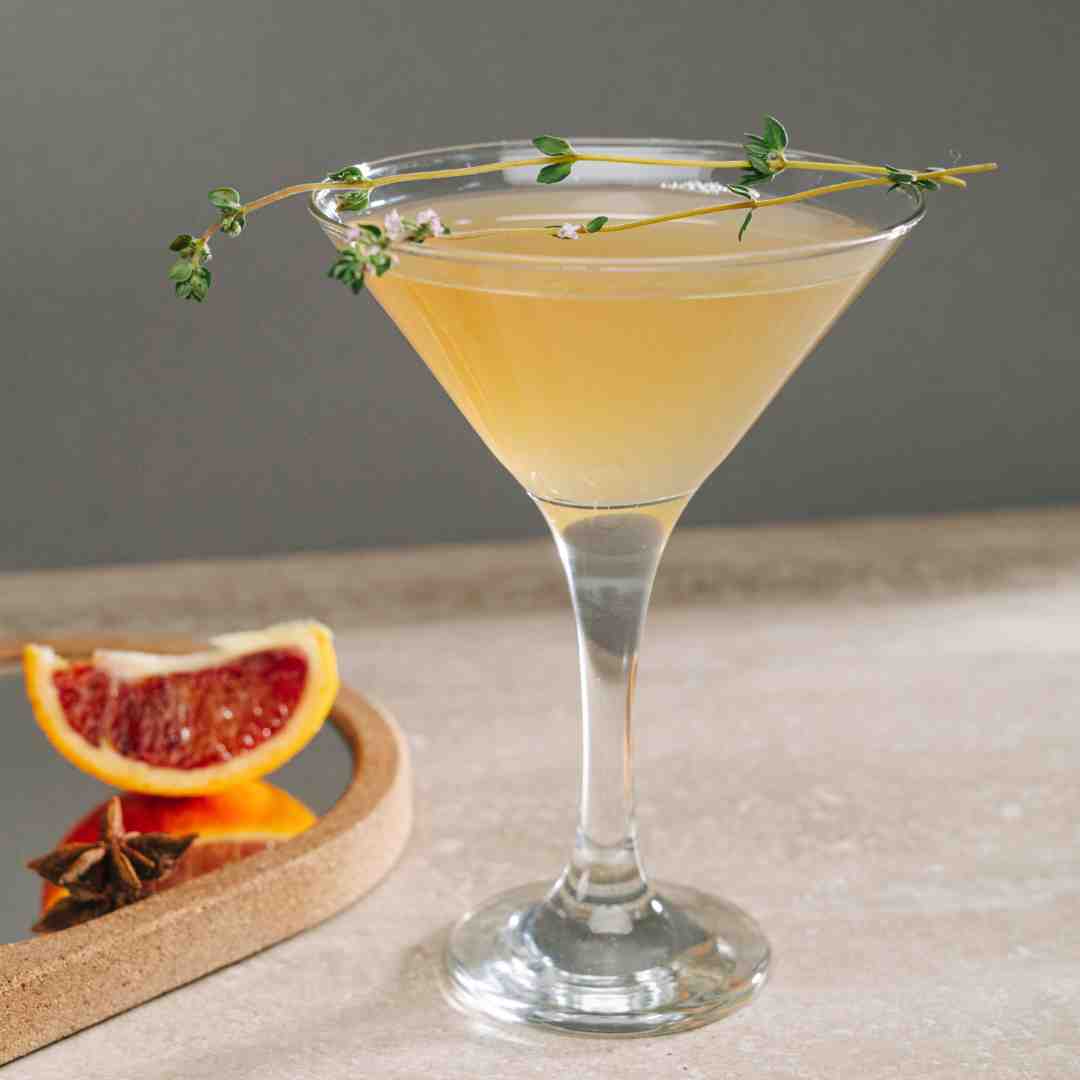
Yes, you can use a coupe glass for a martini. While a traditional martini glass features a conical bowl and long stem, a coupe glass—with its rounded, shallow bowl—can serve martinis effectively, especially in classic or vintage-style presentations. However, the shape of the glass can influence aroma, dilution, and aesthetics.
Introduction: Coupe vs Martini Glass—What’s the Difference?
When it comes to enjoying a cocktail, the glass matters just as much as the ingredients. One of the most common debates among cocktail enthusiasts is coupe vs martini glass. These two stylish glassware types often appear interchangeable, but each has unique design features that influence the drinking experience.
Whether you're a home bartender, cocktail connoisseur, or just curious about glassware, this cocktail glass guide will break down everything you need to know about the martini vs coupe glass, including their purpose, shape, and function.
What Is a Martini Glass?
A martini glass is perhaps the most iconic piece of barware. With its sharp, conical bowl, long stem, and sleek silhouette, this glass is designed for serving martinis and other up cocktails.
Key Features of a Martini Glass:
-
Sharp V-shaped bowl
-
Long, narrow stem to prevent heat transfer
-
Typically holds 6 to 8 ounces
-
Ideal for strong, spirit-forward drinks
The design allows the drink’s surface area to open up, helping to release aromas, while the stem keeps your hands off the bowl, preventing your drink from warming.
For more about cocktail martini glass uses, check out our guide on choosing the right cocktail glass.
What Is a Coupe Glass?
Originally designed for serving Champagne, the coupe glass has made a major comeback in cocktail culture. Today, it’s widely used for a variety of drinks, including daiquiris, Manhattans, and yes—even martinis.
What Makes a Coupe Glass?
-
Rounded, shallow bowl
-
Shorter stem than a martini glass
-
Holds around 5 to 7 ounces (depending on the make)
-
Vintage aesthetic, popular in speakeasies and craft cocktail bars
So, what is the purpose of a coupe glass? Its curved shape minimizes spillage and allows for a more even distribution of aromatic ingredients. This makes it ideal for cocktails served "up" (chilled, without ice).
Is a Coupe Glass for Martinis?
Absolutely—it can be. In fact, many bartenders prefer the coupe glass for serving martinis. The choice often comes down to style, temperature retention, and personal preference.
Why some prefer coupe for martinis:
-
Easier to drink from (less risk of spills than a wide-rimmed martini glass)
-
Enhances classic presentation, especially for vintage or gin martinis
-
Holds temperature well, especially when pre-chilled
That said, a coupe glass isn't the only option. If you want a sharper aroma profile and more visual flair, the martini glass may be your best bet.
Cocktail Glass Ounces: Does Size Matter?
Yes, it does. Most cocktail glasses range from 4 to 10 ounces. Smaller glasses are typically used for spirit-heavy cocktails (like martinis), while larger ones accommodate mixers or layered drinks.
| Glass Type | Typical Capacity |
|---|---|
| Martini Glass | 6–8 oz |
| Coupe Glass | 5–7 oz |
| Rocks Glass | 6–10 oz |
| Highball Glass | 8–12 oz |
Understanding cocktail glass ounces helps you serve the right drink in the right vessel. Overfilling a small glass can dilute flavor and ruin presentation.
Martini vs Cocktail Glass: Is There a Difference?
This is a common source of confusion. Technically, a martini glass is a type of cocktail glass. But not all cocktail glasses are martini glasses.
-
Cocktail glass is a broad term that includes martini glasses, coupes, and others.
-
Martini glasses are specifically designed for dry, spirit-forward drinks like the classic martini.
If you're searching for cocktail martini glasses types, keep in mind that the glass shape should match the drink's characteristics.
Cocktail Glass vs Rocks Glass
Another key comparison is a cocktail glass vs a rocks glass. A rocks glass (aka old fashioned glass) is short, sturdy, and designed for drinks served over ice—like Negronis or Whiskey Sours.
In contrast, a cocktail martini glass is used for drinks served without ice, emphasizing aroma and appearance.
Style Meets Function: The Rise of Stainless Steel and Colored Glassware
For those who prefer a modern twist, consider a cocktail martini glass dimpled stainless size large multicolor set. These insulated versions maintain cold temperatures longer and offer a splash of color to your home bar. While not traditional, they’re functional and festive.
Summary: Choosing the Right Glass
So, martini vs coupe glass—which one should you choose?
| Feature | Martini Glass | Coupe Glass |
|---|---|---|
| Shape | Conical | Rounded |
| Capacity | 6–8 oz | 5–7 oz |
| Spill Risk | Higher | Lower |
| Best For | Classic martinis | Martinis, Manhattans, more |
| Aesthetic | Sleek, modern | Vintage, elegant |
Whether you're drawn to the classic elegance of a martini glass or the retro charm of a coupe, both offer a valid and enjoyable way to sip a martini.
FAQ
What is the point of a coupe glass?
A coupe glass offers a vintage look, minimizes spills, and enhances aroma for cocktails served without ice.
What is the coupe glass used for?
Originally used for Champagne, coupe glasses are now used for a variety of cocktails, including martinis, Manhattans, and sours.
What makes a coupe glass special?
Its rounded bowl and shorter stem offer better balance and spill protection, ideal for sipping complex cocktails.
Internal Linking Suggestions
To increase SEO and user engagement, consider linking to:
-
How to Choose the Right Glass for Every Cocktail
-
Classic Martini Recipes for Every Taste
-
The Difference Between Up, Neat, and On the Rocks
Final Thought
The next time you mix up a martini, remember: it's not just about the gin or vodka—it’s also about the presentation. Whether you opt for the sharp lines of a martini glass or the soft curves of a coupe, your choice adds to the experience. So go ahead, pour with style.