Cart
0
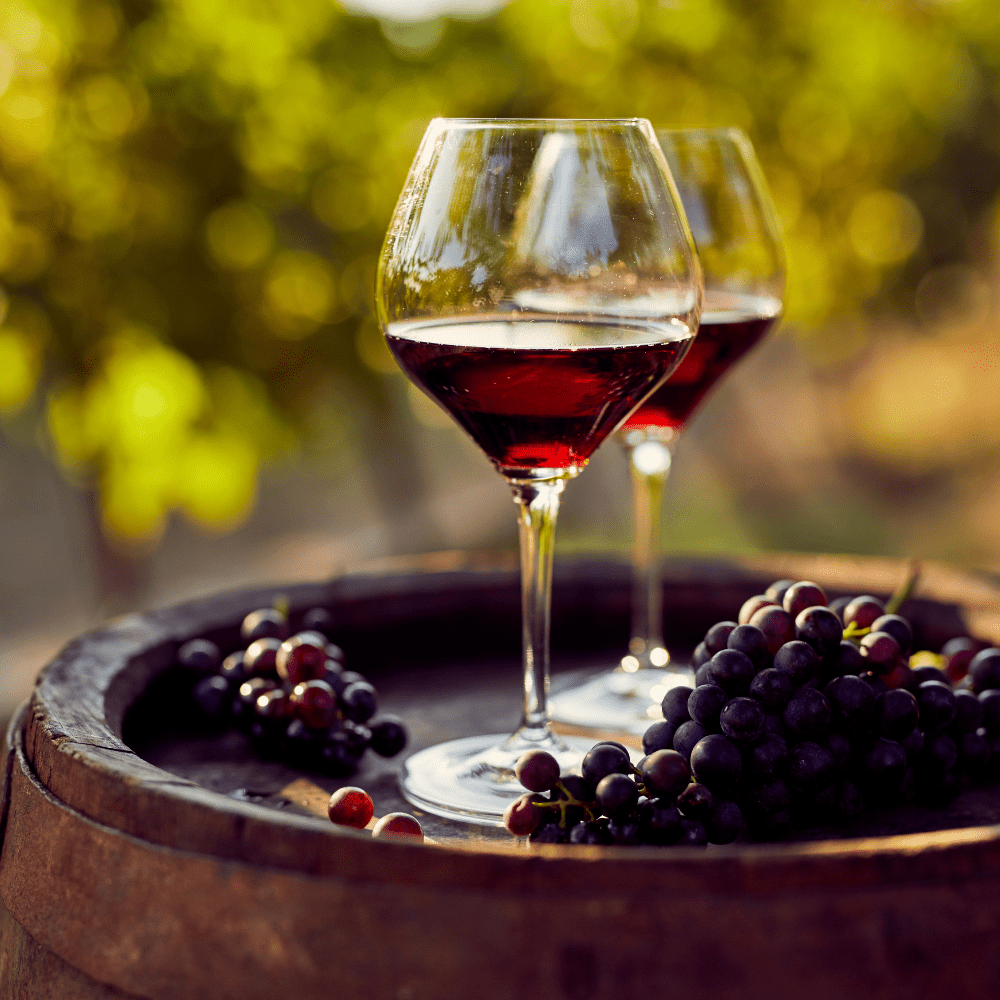
Beyond Cabernet: The Absolute Deep Dive Into Every Type of Dry Red Wine
Most wine lovers think they know all the classic dry reds—but the world of dry red wine is infinitely bigger, bolder, and more surprising than expected.
While the typical wine list stops at Cabernet Sauvignon and Pinot Noir, a deeper exploration reveals spectacular, underrated red wine varieties that even seasoned drinkers haven't discovered.
This comprehensive guide is your deep dive into every type of dry red wine, from the globally popular to the sommelier-favorite rarities. You'll master how to truly define "dryness," understand the role of tannins, and pick the perfect bold, smooth, or light dry red wine for your next meal.
Part 1: What Makes a Red Wine Truly “Dry”?
Understanding dryness is the first step to becoming a wine expert. In the wine world, "dry" is a technical term referring to one core metric: Residual Sugar (RS).
The Role of Residual Sugar (RS)
During fermentation, yeast converts the natural grape sugar into alcohol. A wine is considered dry when the yeast consumes almost all of this sugar, leaving very little leftover.
-
Dry Red Wine: Contains less than 1% Residual Sugar (usually 0.5–0.9 g/L). This equates to less than one gram of sugar per standard glass.
-
Off-Dry Wine: Contains 1% to 3% RS.
-
Sweet Wine: Contains over 3% RS.
🔍 Fact Check: Does red wine have sugar? Yes, but in truly dry reds, it is minimal—often unnoticeable on the palate.
Dryness is Perceived, Not Just Measured
A wine’s dryness isn't just about sugar. Other components play a huge role in the perceived sensation of dryness:
| Element | Sensation | Effect on Dryness Perception |
| Tannins | Astringent, puckering, mouth-drying | Highest impact. The friction makes wine feel drier. |
| Acidity | Crisp, sharp, tart | Makes the wine feel cleaner and less sweet. |
| Alcohol | "Warmth," richness, body | Higher ABV can enhance the perception of richness, sometimes offsetting dryness. |
Because of strong tannins, a bold dry red like Nebbiolo might taste drier than a smoother Merlot, even if their sugar content is identical.
Dryness vs. Bitterness: The Essential Distinction
This is a common beginner's mistake.
-
Dryness is the absence of sweetness (low sugar).
-
Bitterness is a taste caused primarily by high tannins, which are compounds extracted from grape skins, seeds, and oak barrels.
A wine can be dry without being bitter (e.g., low-tannin Pinot Noir) or tannic and slightly less dry (rarely).
Part 2: The Popular Types of Dry Red Wine (The Classics)
These are the world's most planted and sought-after varieties, representing the foundational styles of dry red wine.
| Rank | Wine Type | Body | Flavor Profile Highlights | Dryness Level | Ideal Pairing |
| 1 | Cabernet Sauvignon | Full | Blackcurrant, Tobacco, Cedar | Very Dry | Steak, Lamb, Hard Cheeses |
| 2 | Merlot | Medium | Plum, Chocolate, Herbal notes | Medium-Dry | Roast Chicken, Pasta, Pizza |
| 3 | Pinot Noir | Light | Cherry, Raspberry, Mushroom, Earth | Dry | Salmon, Mushroom Risotto, Duck |
| 4 | Syrah / Shiraz | Full | Blackberry, Black Pepper, Smoke | Very Dry | BBQ, Grilled Game, Strong Cheeses |
| 5 | Malbec | Medium-Full | Black Plum, Cocoa, Sweet Tobacco | Dry | Burgers, Chili, Mexican Food |
| 6 | Tempranillo | Medium | Dried Fig, Leather, Cherry, Vanilla | Dry | Tapas, Chorizo, Roasted Meats |
⭐ Tip for Beginners: If you're looking for smooth dry red wines, start with Merlot or Pinot Noir due to their lower tannin structure.
Part 3: The Underrated Types of Dry Red Wine (The Discoveries)
For the adventurous drinker seeking absolute richness and complexity, these are the rare red wine varieties that deliver maximum character and aging potential. These are often the key to unlocking new favorite flavors and achieving high ranks in wine knowledge.
1. Nebbiolo (Italy)
-
Style: Very Full-Bodied, Extremely Tannic
-
Key Regions: Barolo, Barbaresco (Piedmont)
-
Flavors: Rose Petal, Tar, Cherry, Anise, Leather
-
Why It's Special: One of the driest red wines on the market. The ferocious tannins are offset by high acid and complex aromatics, making it intensely structured and age-worthy.
2. Tannat (Uruguay, France)
-
Style: Very Full-Bodied, Highest Tannin
-
Key Region: Madiran (France), Uruguay
-
Flavors: Black Fruit, Dark Chocolate, Clove, Smoke
-
Why It's Special: Its claim to fame is its exceptionally high tannin content, making it a quintessential bold dry red wine. Requires rich, fatty foods like beef short ribs.
3. Sangiovese (Italy)
-
Style: Medium-Bodied, High Acidity
-
Key Region: Chianti, Brunello di Montalcino (Tuscany)
-
Flavors: Sour Cherry, Tomato Leaf, Dried Herbs, Earth
-
Why It's Special: The benchmark dry red wine for Italian food. Its high acidity and savory notes slice through rich, tomato-based dishes and pizza.
4. Blaufränkisch (Austria, Germany)
-
Style: Medium-Bodied
-
Key Regions: Burgenland (Austria)
-
Flavors: Ripe Blackberry, Black Pepper, Mineral Earth
-
Why It's Special: A fantastic balance of juicy, dark fruit and rustic spice, offering a great alternative to Syrah but with a drier, leaner profile.
5. Mencía (Spain)
-
Style: Light-Bodied
-
Key Region: Bierzo (Spain)
-
Flavors: Floral Notes, Red Cherry, Pomegranate, Herbs
-
Why It's Special: Perfect for lovers of light dry red wine types. It has the delicacy of Pinot Noir but with a distinct, savory Spanish herb complexity.
6. Baga (Portugal)
-
Style: Medium-Full, Structured
-
Key Region: Bairrada (Portugal)
-
Flavors: Red Berries, Tobacco, Plum Skin, Minerality
-
Why It's Special: Produces incredibly complex, structured wines that require aging. A must-try for those seeking an alternative to older Bordeaux.
Part 4: How to Choose the Best Dry Red Wine for Your Palate
Picking a dry red should align with the structure you prefer—softness or power.
🍷 If You Like Soft & Smooth (Low Tannin)
| Try These Types | Profile |
| Merlot, Pinot Noir, Mencía | Lower tannins, gentle on the palate, fruit-focused, and great for drinking without food. |
🍷 If You Prefer Bold & Structured (High Tannin)
| Try These Types | Profile |
| Cabernet Sauvignon, Nebbiolo, Tannat | Full-bodied, high-tannic grip, long, powerful finish. Requires rich food. |
🍷 If You Want Fruity but Still Dry (Aromatic)
| Try These Types | Profile |
| Malbec, Tempranillo, Blaufränkisch | Juicy, ripe fruit flavors that can feel slightly sweet, but with a fully dry (low-sugar) finish. |
🍷 If You Enjoy Earthy or Savory Wines (Rustic)
| Try These Types | Profile |
| Sangiovese, Baga, Syrah (Old World) | Herbal, rustic, and highly food-friendly with notes of leather, tobacco, and mushroom. |
Part 5: Mastering Dry Red Wine Food Pairings
The best pairing balances the wine's structure (especially its tannins) with the food's richness.
For High-Tannin Reds (Cabernet, Tannat, Nebbiolo)
-
Pair with: Fatty, high-protein foods like Steak, Short Ribs, or Lamb Chops. The fat in the meat softens the wine’s drying tannins.
For Medium-Bodied Reds (Merlot, Sangiovese, Tempranillo)
-
Pair with: Versatile dishes like Pasta with Red Sauce, Pizza, Roast Chicken, or Cured Meats.
For Light-Bodied Reds (Pinot Noir, Mencía, Zweigelt)
-
Pair With: Delicate, earthy, or leaner foods like Salmon, Tuna, Mushroom Dishes, or Lentil Stew.
Pro Tip: For truly affordable dry red wines that offer great value, focus on Malbec (Argentina), Tempranillo (Spain), and Zweigelt (Austria).
Final Thoughts & Next Steps
The journey through the world of dry red wine types is a rewarding one. Moving beyond the usual suspects like Cabernet and Merlot opens the door to incredible complexity offered by underrated red wines such as Nebbiolo, Tannat, and Mencía.
Don't settle for the classics—seek out the surprises. You might find your new favorite among the rare, structured, and age-worthy varieties that are redefining what a dry red can be.
Dry Red Wine FAQs
Q: What is the driest red wine?
A: Technically, the driest red wines are those with the absolute lowest residual sugar. Due to their high tannin structure, which enhances the perception of dryness, Tannat and Nebbiolo are widely considered the driest on the palate.
Q: What’s a good dry red wine for steak?
A: Cabernet Sauvignon is the classic choice. For an even bolder experience, try Syrah or Tannat—their powerful structure is built to cut through the richness of grilled or charred meats.
Q: Are fruity red wines always sweet?
A: No. This is a common misconception. Many wines (like Malbec or warmer-climate Syrah) are described as "fruit-forward" because they smell and taste intensely of ripe fruit, but they are fermented to complete dryness and contain almost no sugar.
Q: What are the best dry red wines for beginners?
A: Start with smooth, dry red wines that have lower tannins: Merlot, Pinot Noir, or Mencía. They are balanced, easy to drink, and highly approachable.
More from sip life