Cart
0
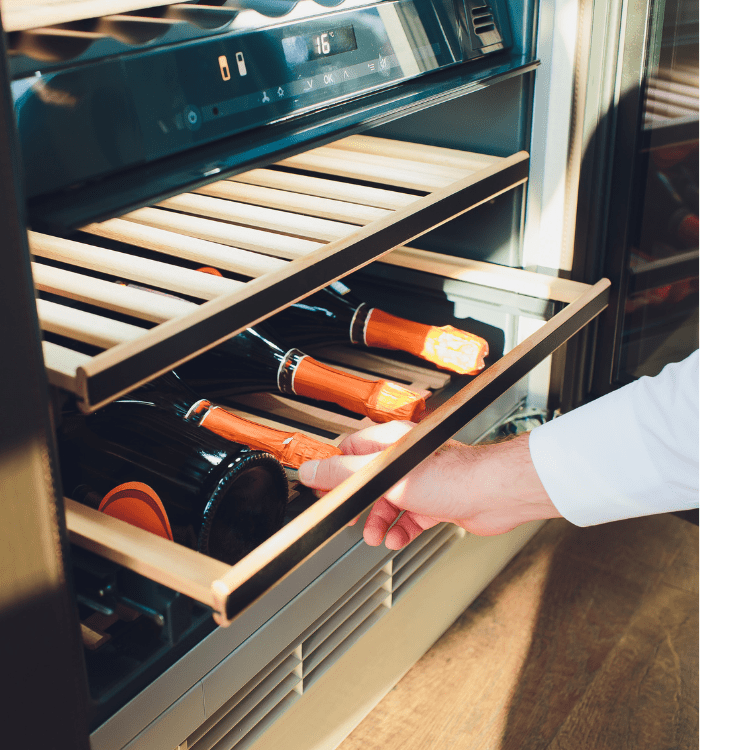
One of the most common questions wine lovers ask is simply: Should wine be served cold or at room temperature?
The answer can be confusing because the old rules don't always fit modern life. If you serve a white wine ice-cold, it might taste flavorless. If you serve a red wine at today's "room temperature" (70°F+), it can taste flabby and alcoholic.
Here is the quick rule of thumb: Sparkling and white wines need a fridge; red wines need a light chill.
This guide covers the exact serving temperatures for every type of wine, how long to keep them in the fridge, and how to fix a bottle that’s too warm or too cold.

Why Wine Temperature Matters
Temperature isn't just about preference; it changes the chemistry of how the wine hits your palate.
How Temperature Changes Flavor
-
Cold enhances acidity: It makes wine taste crisper, sharper, and more refreshing. This is why high-acid wines (like Sauvignon Blanc) are served cold.
-
Warmth enhances alcohol and body: As wine warms up, the alcohol vapors release more aroma, but the texture becomes softer.
-
The Sweet Spot: Serving wine at the correct temperature strikes a balance where the fruit, acidity, and body all work together. If you miss the mark, you lose the flavor.
The Correct Serving Temperature for Every Type of Wine
Sparkling Wine & Champagne
Best Temperature: 38–45°F (Very Cold)
You absolutely must chill Champagne and sparkling wines. The cold temperature is vital for two reasons: it keeps the carbon dioxide trapped (preserving the bubbles) and keeps the high acidity tasting crisp rather than sour.
-
Do you chill Champagne? Yes, always. Serve it straight from the fridge or an ice bucket.
White Wine (All Styles)
Best Temperature: 45–55°F (Fridge Cold)
Most people serve white wine too cold (straight out of a 37°F fridge), which mutes the flavors.
-
Lighter Whites (Pinot Grigio, Sauvignon Blanc): Serve at the colder end (45°F) to maximize freshness.
-
Fuller-Bodied Whites (Chardonnay, Viognier): Serve slightly warmer (50–55°F).
-
Common Question: Do you serve Chardonnay chilled? Yes, but not ice cold. Let a rich, oaked Chardonnay sit on the counter for 15 minutes after taking it out of the fridge to unlock its creamy texture.
Rosé Wine
Best Temperature: 45–55°F (Fridge Cold)
Treat Rosé exactly like a white wine. Because it is usually consumed for its refreshing qualities, keeping it chilled preserves its bright berry notes and acidity.
Red Wine
Best Temperature: 55–65°F (Cool, Not Cold)
This is the most misunderstood category. Should red wine be chilled? The answer is yes—slightly.
-
The "Room Temperature" Myth: The old rule of "room temperature" refers to European stone dining rooms in the 1800s, which were around 60°F. Modern homes are 70–75°F.
-
The Result: If you drink red wine at modern room temperature, the alcohol overpowers the fruit, making the wine taste "hot" and soup-like. A light chill brings the focus back to the fruit and structure.
How Long to Chill Each Wine Before Serving
Don't have a thermometer? No problem. Use these timing guidelines for a standard kitchen refrigerator.
Sparkling Wine & Champagne
-
Refrigerator: 3 hours
-
Ice Bucket: 15–20 minutes (mix ice and water for faster cooling)
White Wine & Rosé
-
Refrigerator: 2 hours
-
Pro Tip: If the wine has been in the fridge overnight, take it out 15 minutes before serving to let it warm up slightly.
Red Wine
-
Refrigerator: 15–20 minutes before serving
-
Why: Putting a room-temperature bottle of red in the fridge for just 20 minutes brings it down to that perfect "cellar temp" of 60–65°F.
How to Fix Wine That’s Too Cold or Too Warm
If Wine Is Too Cold (Muted Flavors)
If you pour a glass and can't smell anything, it's likely too cold.
-
The Fix: Cup the bowl of the wine glass with your hands. Your body heat will gently warm the wine in 1–2 minutes, releasing the aromas.
-
Avoid: Never microwave wine or run the bottle under hot water; this destroys delicate flavor compounds.
If Wine Is Too Warm (Tastes "Hot" or Alcoholic)
If a red wine tastes flat or burns your throat with alcohol, it needs a chill.
-
The Fix: Submerge the bottle in an ice bucket (ice + water) for 5–10 minutes.
-
Freezer Method: You can place the bottle in the freezer for 10 minutes, but set a timer—if you forget it, the cork may pop or the bottle may crack.
Common Mistakes to Avoid
1. Serving Red Wine at "Modern Room Temperature"
Serving a Cab Sauvignon at 75°F is the quickest way to ruin it. The alcohol dominates, and the tannins feel flabby. Always give reds a "20-minute fridge bath" before dinner.
2. Serving White Wine Ice-Cold
If white wine is below 40°F, your tongue's taste receptors numb, and the wine's aromatic compounds "close up." You end up tasting nothing but acid.
3. Storing Wine in the Fridge Long-Term
A standard kitchen fridge is too cold (37°F) and lacks humidity. If you leave a corked bottle in there for weeks, the cork can dry out and shrink, letting air in and oxidizing the wine. Only use the fridge for short-term chilling.
Quick Wine Temperature Reference Chart
| Wine Type | Ideal Temperature | Fridge Time (Approx) |
| Sparkling / Champagne | 38–45°F (Ice Cold) | 3 Hours |
| Light White / Rosé | 45–50°F (Very Cold) | 2 Hours |
| Full-Bodied White | 50–55°F (Cold) | 1.5 Hours |
| Light Red (Pinot Noir) | 55–60°F (Cool) | 45 Mins |
| Bold Red (Cabernet) | 60–65°F (Slight Chill) | 20 Mins |
FAQ (Real Questions Answered)
Q: Should wine be served cold?
A: White, Rosé, and Sparkling wines should always be served cold. Red wines should be served cool (around 60°F), but not cold.
Q: Is red wine supposed to be chilled?
A: Ideally, yes. Placing red wine in the fridge for 20 minutes before serving brings it to the perfect temperature, which is cooler than a typical warm living room.
Q: Do you chill white wine?
A: Yes. White wine temperature fridge guidelines suggest chilling for about 2 hours. If it's too cold, the flavors will be muted, so let it sit for a few minutes before pouring.
Q: Should Chardonnay be served cold?
A: Yes, but not ice cold. Richer whites like Oaked Chardonnay shine at 50–55°F, which is slightly warmer than lighter whites like Pinot Grigio.
Q: Do you chill Champagne?
A: Absolutely. Champagne should be the coldest wine you serve (38–45°F) to keep the bubbles snappy and the pressure inside the bottle safe.
Q: What temperature should wine be served at?
A: Sparking: 38–45°F; White/Rosé: 45–55°F; Red: 55–65°F.
Q: Is wine supposed to be cold or room temperature?
A: In modern homes, almost no wine should be served at actual room temperature. Even bold reds benefit from being slightly cooler than the ambient air in your house.
More from Sip Life