


Cart
0
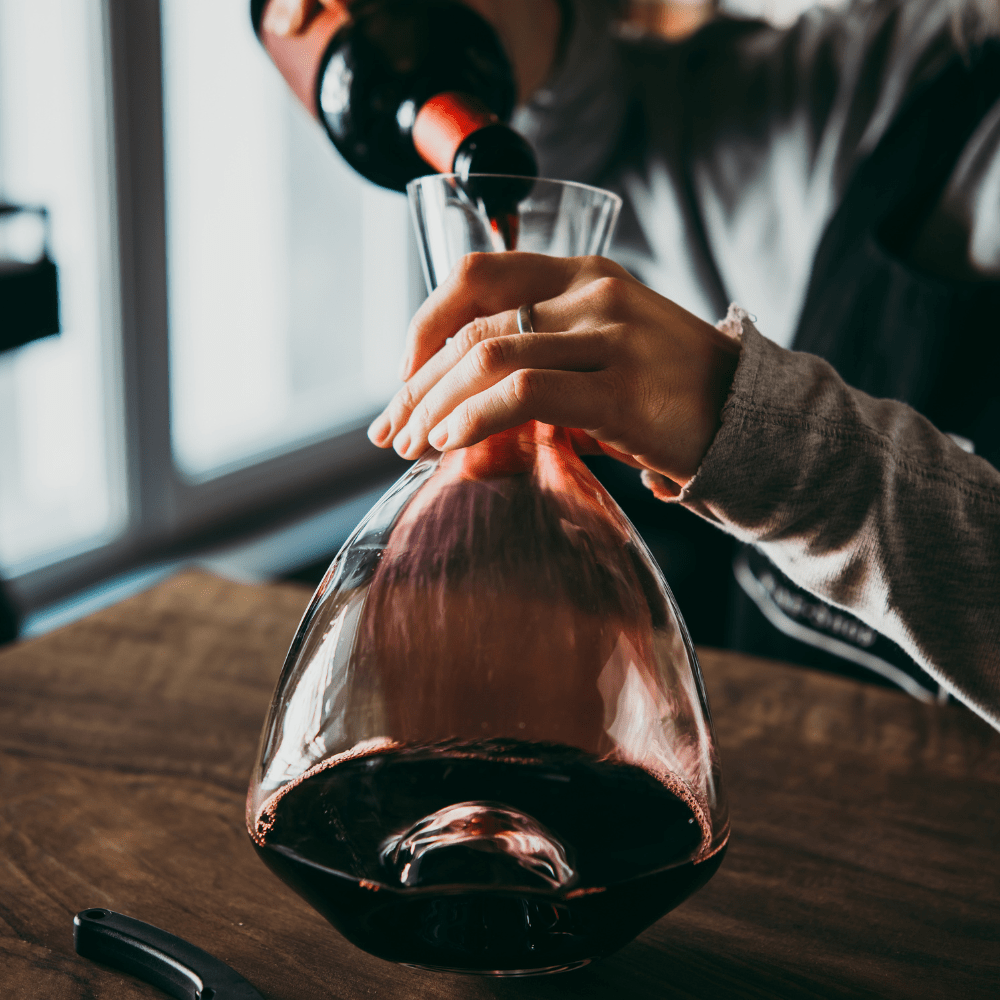
Many people see wine decanters as purely decorative—beautiful centerpieces that look elegant on a dinner table. But unlike many other wine accessories, a decanter serves a critical scientific function that can completely change the way your wine tastes.
A decanter isn't just a fancy pitcher; it is a tool designed to fix two specific problems found in wine bottles: lack of oxygen and the presence of sediment.
This article explains exactly what a wine decanter does, how it works, why people use it, and which wines actually benefit from it. Whether you are a casual drinker or a serious collector, understanding this simple tool will help you get the best flavor out of every bottle.

What a Wine Decanter Actually Is
Simple Definition
A wine decanter is a specially shaped glass vessel—typically made from lead-free clear glass—designed to hold and improve wine before drinking. Unlike a standard carafe, which is just for serving, a decanter is engineered to modify the wine's chemistry through exposure to air.
Why Decanters Have a Wide Base
You will notice that most decanters have a wide, flat bottom and a tapered neck. This wide base is intentional: it maximizes the surface area of the wine relative to its volume. The more wine touches the air, the faster it "breathes," allowing oxygen to do its work.
What Is the Purpose of a Wine Decanter?
The purposes of wine decanters are twofold: aeration (for young wines) and sediment separation (for old wines).
Purpose #1 — Aeration
When wine is bottled, it is sealed in an airtight environment. For young, bold red wines, this can make them taste "closed" or harsh upon opening. Pouring wine into a decanter introduces a rush of oxygen. This "aeration" softens the texture of the wine, smooths out sharp flavors, and makes the wine smell more aromatic.
Purpose #2 — Separating Sediment
This is essential for older wines, especially aged red wines and vintage Port. Over time, tannins and color compounds settle out of the liquid and form a gritty, sludge-like sediment at the bottom of the bottle. While harmless, this sediment is unpleasant to drink and tastes bitter. A decanter allows you to pour the clear liquid off the top, leaving the grit behind in the bottle.
Purpose #3 — Enhancing Aroma and Flavor
When a wine is "tight," you might mostly smell alcohol or simple grape juice. Decanting allows the wine to "open up," revealing complex layers of fruit, spice, earth, or oak that were previously hidden.
How a Wine Decanter Works
The Science of Aeration
How does a decanter work scientifically? It comes down to two chemical processes: evaporation and oxidation.
-
Evaporation: As wine hits the air, volatile compounds (like ethanol and sulfites) evaporate. This reduces the "burning" smell of alcohol and any "matchstick" sulfide odors.
-
Oxidation: Oxygen interacts with the tannins (the compounds that make your mouth feel dry). This interaction reduces the perception of bitterness, making the wine feel smoother and fruitier.
The Pouring Process
For older wines, the decanter works by gravity. You stand the bottle upright for a day before serving to let the sediment settle. Then, you pour the wine slowly into the decanter—often holding a light or candle under the neck of the bottle. When you see the dark stream of sediment reach the neck, you stop pouring.
How Long to Decant
-
Young reds (Pinot Noir, Merlot): 20–60 minutes
-
Bold reds (Cabernet, Syrah, Malbec): 1–2 hours
-
Older wines (15+ years): Minimal decanting (just to remove sediment) to avoid over-oxidizing delicate flavors.
-
Whites: Optional; 10–20 minutes for rich, oaked whites like Chardonnay.
Why Use a Decanter for Wine?
If you are wondering why put red wine in a decanter, consider these benefits for wine lovers:
Improves Harsh or Young Wines
Most red wines sold in supermarkets are consumed within hours of purchase. However, many are bottled with high tannins intended for aging. Decanting mimics the aging process in a fraction of the time, making a young, harsh wine taste significantly smoother.
Softens Alcohol "Heat"
Have you ever sniffed a wine and felt a burn in your nose? That is ethanol. A decanter helps that ethanol blow off, allowing you to smell the berries and flowers underneath rather than the booze.
Helps You Taste More
By expanding the surface area, a decanter acts like a magnifying glass for flavor. It brings out subtle notes that would otherwise remain trapped in the bottle.
Makes Affordable Wines Taste Better
You don't need expensive wine to use a decanter. in fact, wine accessories like this often work best on budget bottles ($20–$60). The oxygen helps blow off the funky "reduction" aromas sometimes found in cheaper screw-cap wines.
Which Wines Should Be Decanted?
Best Wines to Decant
These wines are structurally built for oxygen and almost always taste better after an hour in a decanter:
-
Cabernet Sauvignon
-
Merlot
-
Malbec
-
Syrah / Shiraz
-
Nebbiolo (Barolo)
-
Bordeaux blends
Wines That May Not Need Decanting
-
Most White Wines: While rich Chardonnays can benefit, crisp whites like Sauvignon Blanc or Pinot Grigio rely on zesty acidity that can be lost if over-aerated.
-
Light Reds: Delicate wines like old Pinot Noir or Gamay can fall apart if exposed to too much air.
-
Sparkling Wine: Never decant Champagne or Prosecco unless you want to lose the bubbles.
Wines That Must Be Decanted for Sediment
-
Older vintage Port
-
Mature Bordeaux (10+ years old)
-
Aged fine wines
Are Wine Decanters Worth It?
The question remains: Are wine decanters worth it for the average drinker?
When a Decanter Is Worth Buying
-
You drink red wine regularly (especially Cabernet or Malbec).
-
You enjoy buying young wines and drinking them immediately.
-
You want to make a $15 bottle taste like a $30 bottle.
-
You enjoy the ritual and presentation of wine service.
When It Might Not Be Necessary
-
If you primarily drink white wine or Rosé.
-
If you only open a bottle once every few months.
-
If you don't mind swirling the wine in your glass to let it breathe naturally (this works too, just slower!).
How to Use a Wine Decanter Properly
Step-by-Step
-
Open the bottle. If the wine is old, do this gently to avoid stirring up sediment.
-
Pour slowly. Tilt the decanter slightly and pour the wine down the inside wall of the glass. This splashes the wine (good for aeration) and allows you to watch for sediment.
-
Stop pouring if you see grit reaching the neck (for old wines).
-
Wait. Let it rest for the recommended time (e.g., 45 minutes for a young red).
-
Serve. Pour directly from the decanter into the glass.
How to Clean a Decanter
Because the neck is narrow, cleaning can be tricky.
-
Rinse immediately with warm water after use.
-
Do NOT use soap. Soap residue is incredibly difficult to remove and will ruin the flavor of your next wine.
-
Use Decanter Beads: Small stainless steel beads can be swirled inside to scrub away red wine stains from the bottom.
FAQ
What does a wine decanter do? A wine decanter exposes wine to oxygen (aeration) to improve flavor and allows you to pour wine off of its sediment.
Why put red wine in a decanter? Red wine is put in a decanter to soften bitter tannins, release aromatic compounds, and separate any sediment found in the bottle.
How long should wine sit in a decanter? Young, bold red wines should sit for 1 to 2 hours. Lighter reds need only 20–30 minutes. Old, delicate wines should be served almost immediately after decanting.
Do wine decanters work for cheap wine? Yes! Decanting cheap wine often improves it more than fine wine. The oxygen helps remove sulfur smells and softens the harsh "bite" of inexpensive alcohol.
Does white wine need decanting? Generally, no. However, full-bodied white wines like oaked Chardonnay or white Burgundy can benefit from 15–20 minutes in a decanter to warm up and open their aromas.
How does a decanter improve wine? It improves wine through oxidation, which chemically alters the tannins to make them taste less bitter, and through evaporation, which removes harsh alcoholic fumes.
Can you over-decant wine? Yes. If a wine sits out for too long (18–24 hours), it can fully oxidize and turn into vinegar. Old wines are especially fragile and can "die" (lose all flavor) if decanted for too long.
More from Sip Life


