Cart
0
Wine Accessories Guide
From crystal classics to built-in aerators, here is how to find the decanter that actually matches the way you drink.
Wine decanters range from $20 glass pitchers to $200 crystal centerpieces, and the shape, material, and features you choose change how much your wine improves before it hits the glass. This guide covers every major decision point: aerator vs. decanter, carafe vs. decanter, decanter shapes, and our top picks across five styles so you can find the right one without overthinking it.
At a Glance: Our Top Picks
- Best Overall Crystal Red Wine Decanter 1000ml
- Best Built-In Aerator Premium Wine Breather Decanter Set
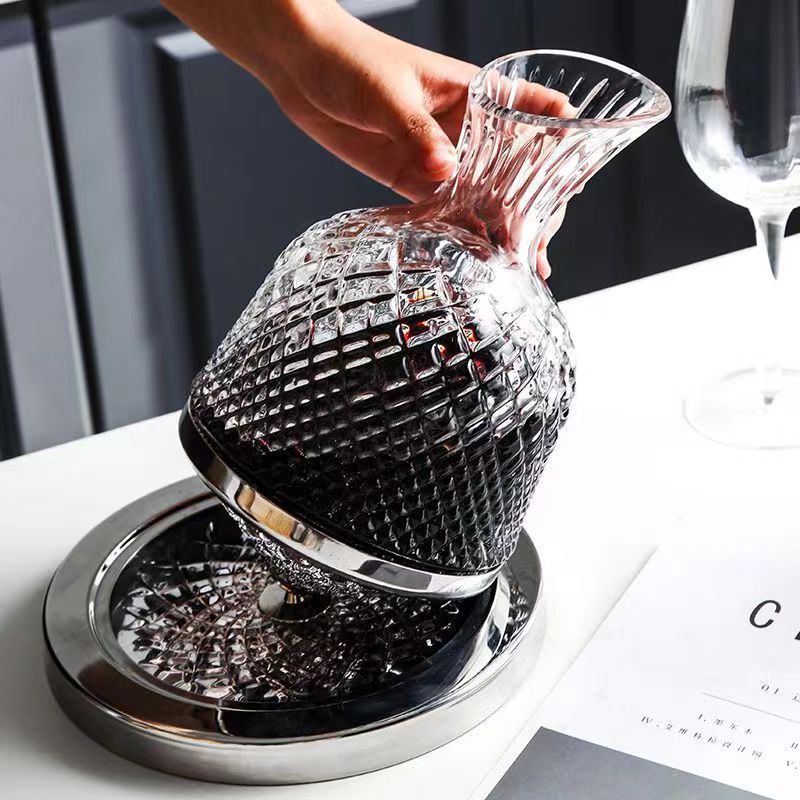
- Best Statement Piece Iceberg Red Wine Decanter 1800ml
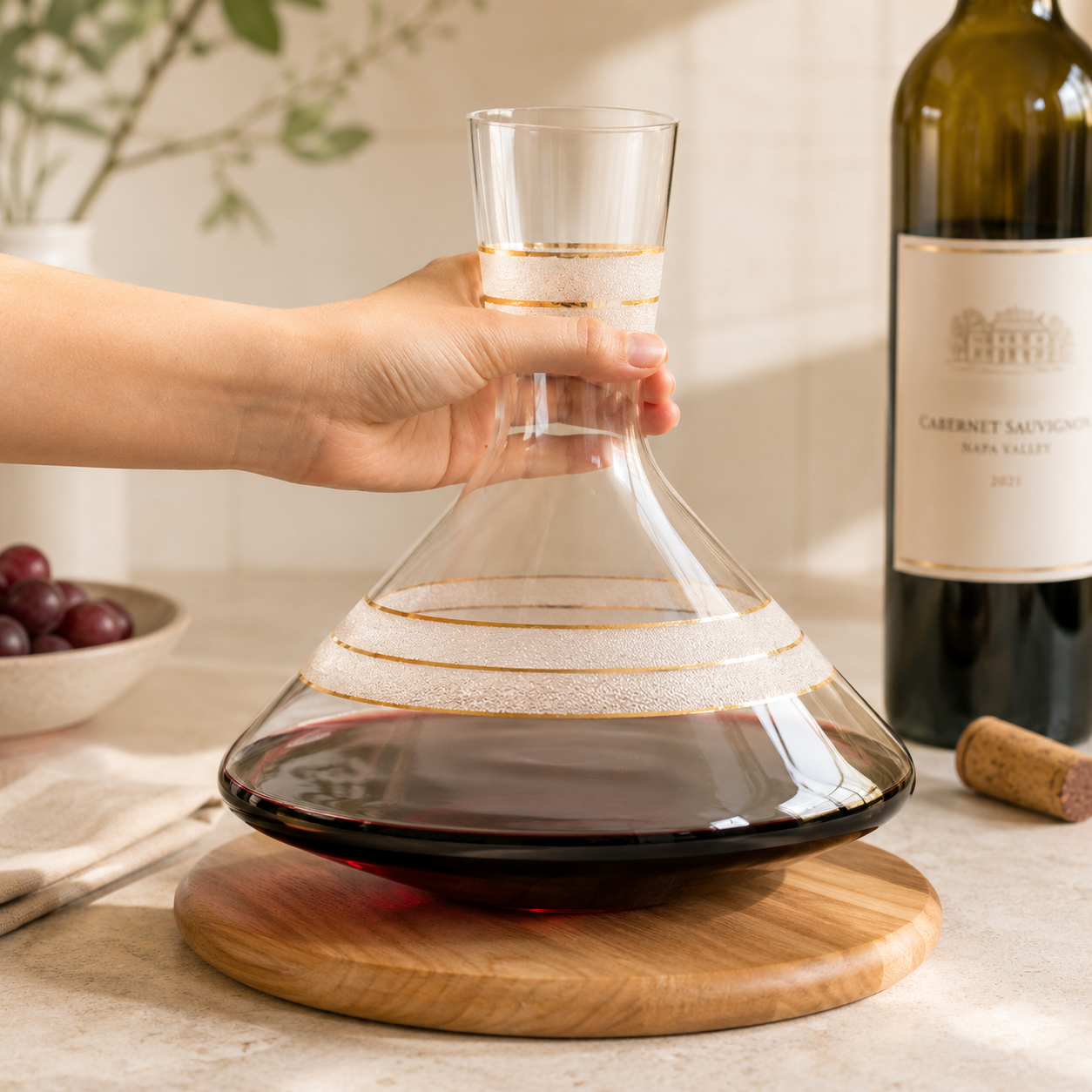
- Best Wide-Base Design Waterfall Red Wine Decanter
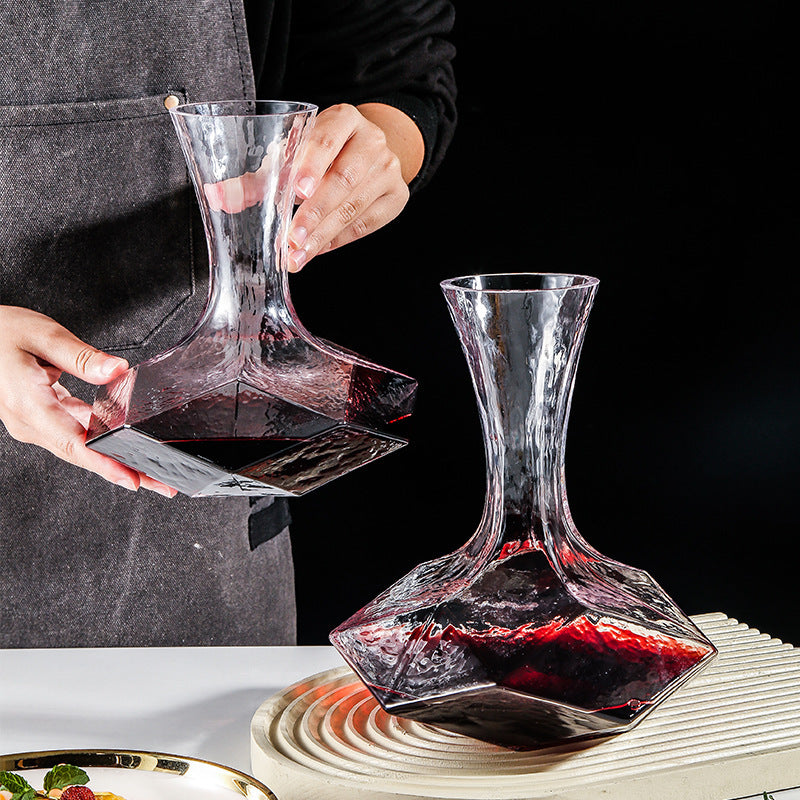
- Best for Visual Impact Wavy Pattern Glass Diamond Decanter 1000ml
Wine Aerator vs. Decanter: What Is the Difference?
This is one of the most searched questions in the wine accessories space, and the answer is simpler than most articles make it sound. Both tools expose wine to oxygen. The difference is how fast they do it and what else they can accomplish.
| Decanter | Aerator | |
|---|---|---|
| How it works | Passive surface area exposure over time | Active aeration through chambers or screens as you pour |
| Speed | 15 to 60+ minutes depending on wine | Instant, happens during the pour |
| Sediment removal | Yes | No |
| Table presentation | Yes, serves from the vessel | No, pours into a glass directly |
| Best for | Bold reds, older bottles, dinner party service | Weeknight pours when you need wine ready immediately |
| Price range | $25 to $150+ | $10 to $60 |
The short version: an aerator is the fast weeknight tool. A decanter is the deliberate, full-service option. Many wine lovers keep both because the situations they serve are genuinely different. When a dinner party decanter also has a built-in aerator, as some of our picks do, you get both functions in one vessel.
Wine Carafe vs. Decanter: Which Do You Need?
Carafes and decanters are often grouped together, but they serve different primary purposes.
- A carafe is a straight-sided serving vessel. It is designed for presenting wine at the table without the baggage of the original bottle. Carafes have a narrower base and less surface area, so aeration is slower and less aggressive. They work well for lighter reds, whites, water, juice, or any liquid you want to serve elegantly.
- A decanter has a wide, flat base engineered to maximize wine-to-air contact. The extra surface area aerates wine faster and more completely. Decanters also make sediment separation easier because the wide base keeps the poured wine away from any particulate that may have settled.
Use a carafe when: you want easy table service, you are pouring lighter wine that needs minimal aeration, or you want a vessel that doubles for non-wine drinks.
Use a decanter when: you are opening a bold, tannic red that needs 30+ minutes to open, or when an older bottle has sediment that needs to stay in the bottle.
For most home wine drinkers, a quality decanter covers both use cases well enough that a separate carafe is optional, not essential.
Types of Wine Decanters: Shapes and What They Do
Decanter shapes are not just aesthetic choices. Each shape is optimized for a different outcome. Here are the five most common types and when each one makes sense.
Standard Wide-Base
The Classic Decanter
Broad, flat bottom and a long neck. The most effective shape for aerating bold reds. Best all-around choice for everyday use.
Globe / Balloon
Maximum Surface Area
Spherical base creates the most wine-to-air contact possible. Ideal for the most tannic, structured reds that need aggressive aeration.
Swan / Angled Neck
Aerate During the Pour
Wine cascades down the curved neck as it enters the decanter, aerating actively during the pour itself. The Waterfall decanter uses this principle.
Breather / Inverted
Decants Bottle-to-Glass
Sits directly on the bottle opening and pulls wine through an aeration chamber. Quick, effective, and mess-free. The Premium Breather Set is this style.
Sculptural / Statement
Form and Function Together
Unique silhouettes designed to impress at the table while still aerating effectively. The Iceberg and Diamond decanters fall here.
How to Choose the Best Wine Decanter
Four things decide which decanter is actually right for you.
Glass vs. Crystal. Both work. Crystal can be blown thinner for a more elegant look and achieves sharper optical clarity, so your wine's color shows more accurately. Standard glass is more durable and often dishwasher-safe. For everyday use, thick glass is practical. For a gift or centerpiece, lead-free crystal is worth the upgrade.
Capacity. A 1000ml decanter handles a standard 750ml bottle with headspace for swirling, which is the most versatile size. If you frequently entertain or decant two bottles at once, look at 1500ml or 1800ml options. The Iceberg decanter at 1800ml covers both.
Base width. The wider the base, the faster the aeration. If you open a lot of bold, young reds, prioritize maximum base width. If you mostly drink medium-bodied wines or want a decanter that doubles as a carafe, a more upright shape with moderate base width is more practical.
Built-in aerator vs. passive. A decanter with a built-in aerator compresses the wait time significantly. If you rarely plan ahead and often want wine ready quickly, a breather-style or aerator-equipped decanter solves that problem without a separate device.