Cart
0
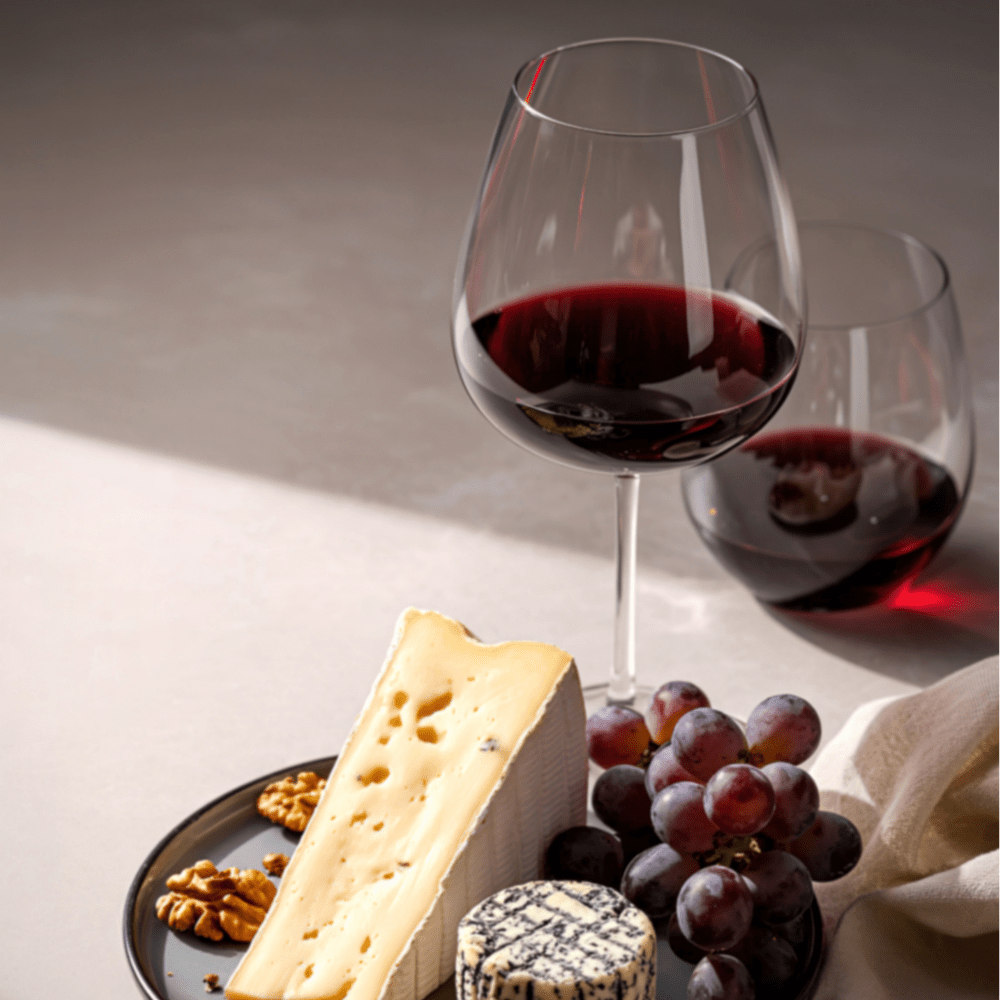
Cabernet Sauvignon is one of the world's most beloved and powerful red wines—yet, surprisingly, most people default to the wrong cheese pairing.
Due to its high tannins, bold fruit, and strong structure, Cabernet Sauvignon is trickier to pair than a lighter red. Throwing any cheese on a board is a recipe for a flavor disaster that can make your expensive wine taste bitter and metallic.
This guide will reveal the exact pairing most people misunderstand, explain the science behind why it fails, and—most importantly—identify the savory, aged cheeses that actually pair beautifully with Cabernet Sauvignon, elevating both the wine and the cheese.
Why Cabernet Sauvignon Is Difficult to Pair With Cheese
The issue lies in the fundamental structure of the wine itself.
High Tannins vs. Creamy Fat
Cabernet Sauvignon is characterized by firm, sometimes aggressive, tannins. Tannins are the compounds that create a drying, puckering sensation in your mouth.
When high tannins meet the soft, creamy fat of a mild cheese, they clash violently. The tannins bind to the fat, which results in a frustratingly bitter, metallic, or acrid flavor on the finish. The delicate cheese is also completely overwhelmed by the wine's intensity.
Bold Fruit + Strong Structure
A top-tier Cabernet Sauvignon has layers of blackcurrant, cedar, tobacco, and strong body. A mild, young cheese (like a supermarket block of Monterey Jack) simply doesn't have the density or flavor concentration to stand up to the wine.
The “Match the Weight” Rule
The secret to a successful cabernet and cheese pairing is to match the weight and intensity of the wine. A full-bodied wine like Cabernet needs a cheese that is equally intense, firm, and savory.
🛑 The Most Common Cabernet and Cheese Pairing Mistake
You see this combo on cheese boards everywhere, but it rarely works well.
Why Brie and Camembert Don’t Work
Many people assume creamy, bloomy-rind cheeses like Brie and Camembert must pair well with a bold red wine. This is the biggest mistake in cabernet and cheese pairing.
The soft, gooey texture and high-fat content of Brie, especially near the rind, interact poorly with Cabernet's tannins. Instead of a smooth experience, the wine strips the fat, leaving a bitter taste and a coating sensation on the palate.
Why Sharp Cheddar Isn’t Always the Best Choice
While cheddar that pairs with cabernet is a favorite search term, younger or mild cheddar often fails. Common supermarket cheddar is often too fatty and lacks the concentrated flavor and crystalized texture needed to properly balance the tannins.
-
When it works: An aged, cloth-bound cheddar (12–24 months) with a firmer texture and a deeper, nutty profile works well.
-
When it doesn’t: Young, processed, or highly fatty cheddar can still lead to a less-than-ideal pairing.
🧀 So What Does Pair Well With Cabernet Sauvignon? The Best Cheese Matches
The best cheese that pairs with cabernet sauvignon has three key attributes: age, firmness, and salinity. These cheeses cut through the tannins and complement the wine’s dark fruit.
| Cheese Match | Intensity Match | Key Flavor Notes | Why It Works with Cab |
| Aged Gouda (Top Pick) | High | Salted caramel, butterscotch, nuttiness, deep umami. | Its crystalline structure and deep caramel sweetness harmonize perfectly with the wine's dark fruit and rich tannins. |
| Parmesan / Parmigiano Reggiano | High | Intense salt, umami, savory/brothy flavor. | The high salt content is key—it actively reduces the perception of bitterness from the tannins, making the wine taste smoother and fruitier. |
| Aged Cheddar | High | Sharp, nutty, dry, and slightly granular texture. | When aged 12–24 months, its texture is firmer, and the flavor has the depth required to match the bold wine. |
| Manchego (Curado/Aged) | Medium-High | Salty, firm, slightly grassy/nutty. | This Spanish sheep’s milk cheese has the structure and salinity to stand up to the Cabernet. |
| Pecorino Romano | High | Sharp, tangy, very salty, and crumbly. | Creates a beautiful flavor contrast, enhancing the blackcurrant and plum notes in the Cabernet. |
| Comté (18+ Months) | High | Nutty, caramelized onions, semi-firm, complex. | Its complexity and deep flavor profile match the layered notes in a premium Cabernet. |
The Science Behind Wine and Cheese Pairing
The simple reason why wine and cheese go together successfully comes down to chemical reactions on the palate:
-
Fat Reduces Bitterness: The fat and protein in the right cheese coat your palate, softening the aggressive grip of the wine's tannins.
-
Salt Enhances Fruit: High salt content (found in aged, hard cheeses) minimizes the perception of the wine's acidity and tannins, causing the fruit flavors to pop forward.
-
Proteins Soften Tannins: The proteins in the cheese bind to the phenolic compounds (tannins) in the wine, preventing them from binding to the proteins in your saliva, thereby reducing the puckering sensation.
The right wine cheese pairing cabernet sauvignon requires hard, aged cheeses because they have the necessary density, salt crystals, and protein concentration to execute this chemical balancing act.
Exploring Cabernet Franc: A Softer Alternative
If you love the flavor profile but prefer a less tannic wine, consider Cabernet Franc. It is the parent grape of Cabernet Sauvignon and offers a different structure.
How Cabernet Franc Differs From Cabernet Sauvignon
-
Lighter Body: Medium, not full.
-
Lower Tannins: Much softer and more approachable young.
-
More Herbal Notes: Often features distinctive flavors of bell pepper, graphite, raspberry, and green tobacco.
Cheeses That Pair Well With Cabernet Franc
Because the tannins are softer, pairing cheese with Cabernet Franc allows for slightly gentler choices:
-
Goat Cheese (Chèvre)
-
Gruyère
-
Aged Cheddar
-
Manchego
How to Build the Perfect Cabernet and Cheese Board
Follow these steps for a guaranteed successful cabernet and cheese pairing:
-
Choose 2–3 Hard, Aged Cheeses: Focus on Aged Gouda, Parmesan, and a 12-month-plus Cheddar.
-
Add Supporting Items: Select foods that echo the wine's profile:
-
Nuts: Walnuts or pecans
-
Dried Fruit: Dried cherries or figs (complement Cabernet's dark fruit)
-
Bread: Crusty baguette or plain water crackers (neutral base)
-
Cured Meats: Prosciutto or salami (adds salt and fat)
-
-
Serve Cabernet at the Right Temperature: 60–65°F (15–18°C). Serving it too warm (room temperature) exaggerates the alcohol and tannins, making the pairing more difficult.
FAQ
Q: What cheese pairs best with Cabernet Sauvignon?
A: Aged Gouda, Parmigiano Reggiano, and 12-month-plus Aged Cheddar are the top choices for a wine cheese pairing with Cabernet Sauvignon.
Q: Why doesn’t Brie pair well with Cabernet?
A: The soft, creamy, high-fat texture of Brie clashes with the high tannins of Cabernet, resulting in an unpleasant, sometimes metallic, bitter taste.
Q: Are Cabernet and Cabernet Sauvignon the same?
A: Yes. Cabernet Sauvignon is the full name of the grape, often abbreviated to Cabernet or Cab Sauv.
Q: What cheese pairs with Cabernet Franc?
A: Because it has lower tannins, Cabernet Franc pairs beautifully with Goat Cheese (Chèvre), Gruyère, and Aged Cheddar.
Q: Does Cabernet pair with blue cheese?
A: Generally, no. Blue cheese (like Stilton or Roquefort) requires a sweet, high-acid dessert wine (like Port or Sauternes) to balance its sharpness and salinity.
Q: What pairs well with Cabernet Sauvignon besides cheese?
A: Due to its bold structure, Cabernet pairs perfectly with high-protein, fatty foods like grilled steak, short ribs, hearty lamb dishes, and beef stews.
Conclusion
Cabernet Sauvignon is an incredible food wine—as long as you treat its powerful tannins with respect. The key to a successful Cabernet and cheese pairing is to completely avoid the soft, creamy traps of Brie and Camembert.
Instead, commit to choosing salty, aged, firm varieties. Try an 18-month Aged Gouda or salty Parmesan this weekend. It is a pairing that never fails and will transform your appreciation for the king of red wines.
More From Sip Life