Cart
0
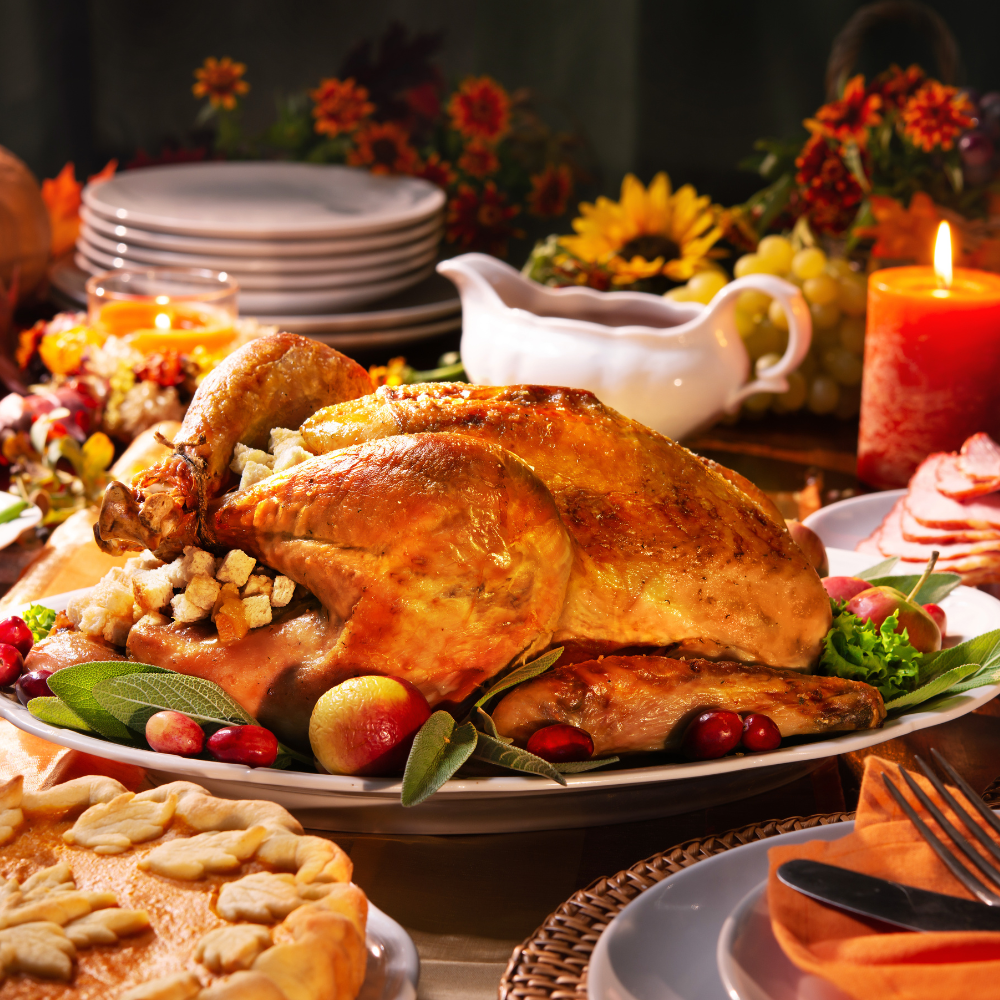
Most people instinctively reach for a standard holiday wine when serving smoked turkey—but the combination of smoke, salt, and richness makes smoked turkey surprisingly tricky to pair.
The harsh truth is that choosing the wrong wine makes smoked turkey taste either flat and bland or, worse, overly salty and metallic. The intense flavors of a smoked bird require a different strategy than a traditional roasted one.
Learn exactly how to pick the right wine pairing for smoked turkey every time—and why the wines most people grab off the shelf often fail to meet the challenge.
Why Smoked Turkey Needs a Different Wine Than Roast Turkey
The classic wines recommended for Thanksgiving (like delicate Pinot Noir or subtle Chardonnay) are perfect for the soft, mild flavors of a conventional roast turkey. Smoked turkey is a different animal entirely.
Smoke Changes Everything
The smoking process fundamentally alters the meat's flavor profile by adding:
-
Intense Savory Depth: Smoke creates bold, savory, and often spicy notes (especially with a rub).
-
Increased Saltiness: Brining and rubs increase the sodium content.
-
Unique Texture: Smoked meat often has a denser, firmer texture.
Why Traditional Turkey Wines Fail Here
-
Light Whites (like Pinot Grigio) disappear completely against the smoke.
-
Delicate Reds (like many Beaujolais or simple Pinot Noir) are often overpowered and taste thin.
The Key Pairing Rule Most People Don't Know
For a successful wine pairing with smoked turkey, you must match the wine's acidity and body to the smoke level, saltiness, and fat content of the turkey. The wine must be bold enough to complement the smoke but soft enough to handle the lean protein.
The Most Common Wine Pairing Mistake With Smoked Turkey
When searching for the best wine for smoked turkey, drinkers typically make one of two mistakes: going too light or going too bold.
Mistake 1: Choosing a Wine That’s Too Light
Wines that are light-bodied, highly subtle, or neutral (e.g., Pinot Grigio, generic Rosé, or non-oaked Chardonnay) get completely overpowered. The result is that the turkey tastes saltier and the wine tastes like plain water.
Mistake 2: Choosing a Wine That’s Too Tannic
This is the bigger surprise. Big, structured, high-tannin reds (like most Cabernet Sauvignon) are a poor choice for turkey.
-
The Clash: Tannins bind to protein. Turkey is lean meat with less internal fat compared to steak or lamb. When big tannins meet lean turkey, they intensify the bitterness and harshness of the wine, making the texture of the meat feel dry and coarse.
Surprise! Though delicious on its own, Cabernet Sauvignon isn't always the best wine for smoked turkey due to its structure.
The Best Wines to Pair With Smoked Turkey (Top Picks)
The ideal wine that pairs with smoked turkey is a medium-to-full bodied wine with a punch of spice and ripe fruit, balanced by moderate tannins and good acidity.
1. Zinfandel (Top Choice for Smoked Turkey)
-
Why it Works: This American classic is fruit-forward, often featuring a signature smoky spice, pepper, and jammy dark fruit. Its intensity complements the smoke instead of fighting it, and its typically medium tannins don't clash with the lean meat.
-
Best With: Turkey rubbed with strong spices or served with BBQ sauce.
2. Syrah / Shiraz
-
Why it Works: Syrah (or Australian Shiraz) offers notes of black pepper, bacon fat, and smoke. It works beautifully for heavily smoked or blackened turkey, as the wine's savory notes mirror the meat's flavor.
-
Best With: Turkey with a peppery, dark crust.
3. Pinot Noir (But Only Certain Styles)
-
Why it Works: If the turkey is lightly smoked and remains tender, a fuller-bodied Pinot Noir provides the necessary acidity and earthiness.
-
Best Picks: Oregon Pinot Noir or New Zealand Pinot Noir (which tend to be darker and bolder than French Burgundy).
4. Gewürztraminer
-
Why it Works: The surprising white wine that actually works. This highly aromatic wine offers notes of ginger, rose petal, and lychee. Its aromatic spice and touch of sweetness complement the savory, smoky flavors.
-
Best with: Turkey served with fruit components (e.g., cranberry or apple).
5. Dry Riesling
-
Why it Works: The combination of crisp acidity and a slight hint of sweetness (even in "dry" styles) is perfect for countering the high salt and smoky richness of the turkey. Acidity cuts through the fat; sweetness balances the salt.
-
Best with: Turkey served cold or sliced thin.
6. Rosé of Syrah or Rosé of Grenache
-
Why it Works: These Rosés have more structure and body than light Provence styles. They provide the necessary fruit and acidity to handle the smoke without the harsh tannins of a full red.
-
Best For: Summer or warm-weather smoked turkey meals.
Wine Pairing for Smoked Turkey Breast & Leftovers
The texture and cut of the meat change the ideal wine pairing with turkey breast.
Why Turkey Breast Needs a Softer Wine
Breast meat is leaner and milder in flavor than the darker, richer leg/thigh meat and may carry less intense smoke flavor. This requires a softer touch from the wine.
| Turkey Cut/Dish | Best Matches | Pairing Rationale |
| Smoked Turkey Breast | Pinot Noir, Dry Riesling, Chenin Blanc, Medium-Bodied Rosé | Leaner meat requires lower tannins and bright acidity. |
| Smoked Turkey Sandwich | Sauvignon Blanc, Pinot Noir | Sauvignon Blanc cuts through condiments (like mayo and mustard) and herbs beautifully. |
| Turkey Burger (Smoky/BBQ) | Merlot, Zinfandel | Merlot offers juicy fruit and soft tannins that match the ground texture without drying it out. |
Quick Authority Check: Wine Pairing Smoked Tri-Tip (Related Search)
For other heavy smoked meats like beef tri-tip, you should move back to the high-tannin reds: Cabernet Sauvignon, Syrah, or Petite Sirah. The higher fat content of beef supports the tannic structure of these wines.
Wines to Avoid With Smoked Turkey
| Wine Type | Examples | Why to Avoid |
| Big Tannic Reds | Cabernet Sauvignon, Nebbiolo, Tannat | Tannins clash with lean turkey, creating bitterness and dryness. |
| Sweet Wines | Moscato, Dessert Wines | Unless intentionally paired with a specific sweet side, they overpower the meal. |
| Light, Neutral Whites | Pinot Grigio, Un-oaked Chardonnay | Too light; the smoke makes them taste like water. |
How to Pick the Right Wine Based on the Smoking Style
Match the wine's intensity to the smoke intensity.
-
Light Smoke (e.g., Pecan or Cherry Wood): Pinot Noir, Dry Riesling, Chenin Blanc.
-
Medium Smoke (e.g., Oak Wood): Zinfandel, Syrah, Rosé of Syrah.
-
Heavy Smoke / Spicy Rub (e.g., Hickory or Mesquite): Old Vine Zinfandel, bold Shiraz.
Quick Reference: Best Wines to Pair With Smoked Turkey
For a guaranteed success with your holiday smoked turkey dinner, choose from this list:
-
Zinfandel (The Ultimate Pairing)
-
Syrah / Shiraz (For Heavy Smoke)
-
Oregon Pinot Noir (For Light Smoke)
-
Dry Riesling (The Best White Option)
-
Gewürztraminer (The Aromatic Alternative)
-
Rosé of Syrah (The Perfect Medium-Bodied Choice)
FAQ Section
Q: What wine goes with smoked turkey?
A: Zinfandel is the single best choice, as it complements the smoke and spice without overwhelming the meat. Syrah is excellent for heavily smoked turkey.
Q: What wine pairs best with smoked turkey breast?
A: Leaner smoked turkey breast benefits from a softer approach, making Pinot Noir or a crisp Dry Riesling ideal choices.
Q: Can I serve white wine with smoked turkey?
A: Yes, but choose aromatic and acidic whites like Dry Riesling or Gewürztraminer. Avoid light, neutral whites like Pinot Grigio.
Q: Does smoked turkey go better with red or white wine?
A: Generally, medium-bodied red wines (like Zinfandel and Syrah) are superior, as they match the intensity of the smoke and savory flavors better than most whites.
Q: Why is Pinot Noir recommended for turkey?
A: Pinot Noir is classically recommended because its high acidity and earthy notes match the mild flavor and gravy of traditional roast turkey. However, for smoked turkey, you need a bolder style of Pinot Noir.
Q: What wine goes with turkey burgers?
A: A smooth Merlot or a fruity Zinfandel are great choice for turkey burgers, offering juicy fruit and soft tannins.