Cart
0
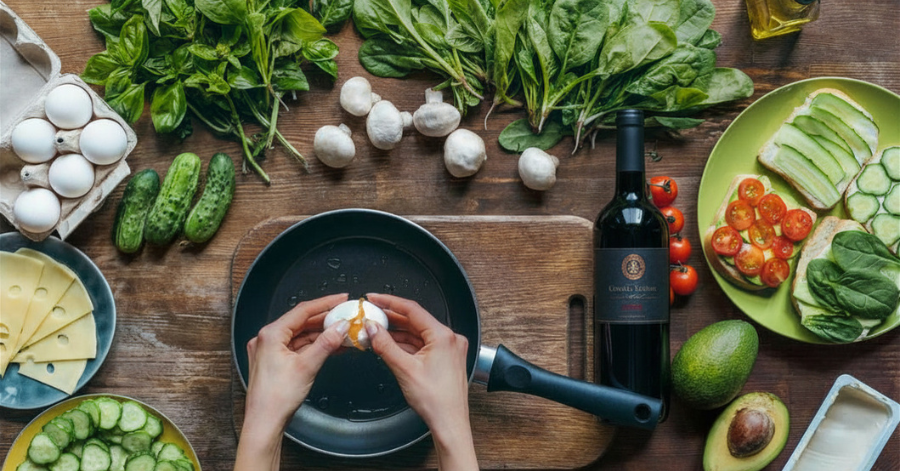
Most home cooks grab whatever's open on the counter, pour a splash into the pan, and wonder why their sauce tastes thin. The problem usually isn't technique — it's the wine. The wrong bottle (or worse, the wrong type) can flatten a dish faster than overcooking it. This guide cuts through the noise so you know exactly which cooking wine to reach for, and why.

Quick Summary
This guide covers the best cooking wine options for every cuisine and technique — from traditional Shaoxing rice wine to shelf-stable sherry and a DIY rosé kit for high-volume cooks. You'll learn what each type does, which bottles actually deliver, and the one mistake most home cooks make before they even turn on the stove.
Before You Buy Anything — Read This First
Those bottles labeled "cooking wine" in the grocery store condiment aisle — the ones sitting next to the soy sauce — are not wine. They're salted, preserved liquids that give you almost none of the flavor benefits and actively fight you when you're trying to season a dish correctly. Skip them entirely.
Real cooking wine is just wine you'd actually drink. Aim for the $8–15 range: clean fruit, balanced acidity, no heavy oak. You don't need to spend more than that — heat concentrates and transforms flavor anyway — but you do need to start with something that tastes like wine, not a science experiment.
What Cooking Wine Actually Does to Your Food
Wine pulls three levers that water and broth simply can't:
- Acidity brightens flavors and gently tenderizes proteins over long cooks — it's why braised chicken thighs in white wine taste more alive than ones braised in stock alone.
- Complexity — the fruit, herbal, and mineral notes in wine — layers into your sauce as the liquid reduces, giving depth that's hard to explain but obvious in the final bite.
- Alcohol acts as a solvent, extracting fat-soluble flavor compounds from aromatics like garlic, shallots, and herbs that water simply can't reach. This is why deglazing with wine after searing produces a better pan sauce than deglazing with stock.
The Best Cooking Wines, Honestly Reviewed


Which One Should You Buy?
- Best overall: Soeos Shaoxing — authentic depth in a glass bottle, unbeatable value for Asian cooking
- Best shelf-stable pick: Holland House Sherry — long shelf life forgives a busy schedule, great for occasional cooks
- Best for delicate dishes: 52USA Shaoxing — softer, sweeter profile that won't overpower fish or tofu
- Best for heavy users: Fontana Zinfandel Blush Kit — 30 bottles at a fraction of retail, worth it if you cook with wine daily
How to Match the Wine to the Dish
- Stir-fries, braises, marinades with soy or black bean sauce → Shaoxing rice wine, always. No substitutes.
- Cream sauces, chicken piccata, seafood pasta → Dry unoaked white: Sauvignon Blanc, Pinot Grigio, or dry Vermouth.
- Red meat braises, beef bourguignon, lamb stews → Whatever dry red you'd drink alongside the finished dish. Avoid anything heavily oaked.
- Pan sauces after searing chicken or pork → Sherry or dry white, depending on where the dish is headed.
- Risotto → Dry white only. Pinot Grigio is the classic choice — it adds acidity without competing with the rice.
One rule that applies across all of them: if you wouldn't drink it, don't cook with it. A wine that tastes off in the glass will taste off in the sauce — concentrated.
Your Cooking Wine Questions, Answered
What's the best white wine to cook with?
Dry, unoaked whites deliver the cleanest results. Sauvignon Blanc works well with seafood and chicken; Pinot Grigio is the go-to for risotto and pasta; dry Vermouth is excellent in cream sauces because it adds herbal complexity without fruitiness. Avoid oaky Chardonnay — the butter and vanilla notes don't translate well under heat.
Does cooking wine have alcohol?
Yes — typically 10–14% ABV for table wines, higher for fortified options like sherry. Most of it evaporates during cooking. A dish that simmers for 45 minutes loses the vast majority; a quick pan sauce retains more. Worth knowing if you're cooking for children or anyone avoiding alcohol.
What does cooking wine actually do?
Wine adds three things water and broth can't: acidity that brightens flavors and tenderizes protein, complex fruit and herbal notes that deepen as the liquid reduces, and alcohol that extracts fat-soluble compounds from aromatics. When you deglaze a pan with wine, it dissolves the caramelized bits stuck to the bottom — that's the foundation of a great pan sauce.
Can you drink cooking wine?
The grocery store "cooking wine" bottles? No — they're salted, preserved, and taste like it. Regular drinking wine? Absolutely, and it makes a far better cooking ingredient too. One bottle, two jobs. Skip the cooking wine aisle entirely and grab a decent $10 bottle from the wine section instead.
Does white cooking wine go bad?
Opened regular wine oxidizes within 3–7 days refrigerated. Keep the cap tight, store it cold, and use it within a week for best results. Fortified wines like sherry last significantly longer — weeks to months — because the higher alcohol slows oxidation. That's the practical argument for keeping a sherry bottle around even if you mostly reach for dry white.
What makes a wine good for cooking?
Any wine you'd willingly drink works — you just don't need to splurge, because heat concentrates and transforms flavor anyway. Aim for the $8–15 range: clean, balanced fruit with no heavy oak or excessive sweetness. For Asian dishes, stick with authentic Shaoxing rice wine rather than substituting Western varieties — the flavor gap is significant.
For most home kitchens, two bottles cover everything: a Shaoxing rice wine for Asian cooking and a dry white (Sauvignon Blanc or Pinot Grigio) for everything else. Start there, and you'll never reach for the wrong bottle again. If you want to explore more of the tools and accessories that make cooking with wine easier, check out 4 Best Red Wines for Cooking (Simple, Affordable Picks).