Cart
0
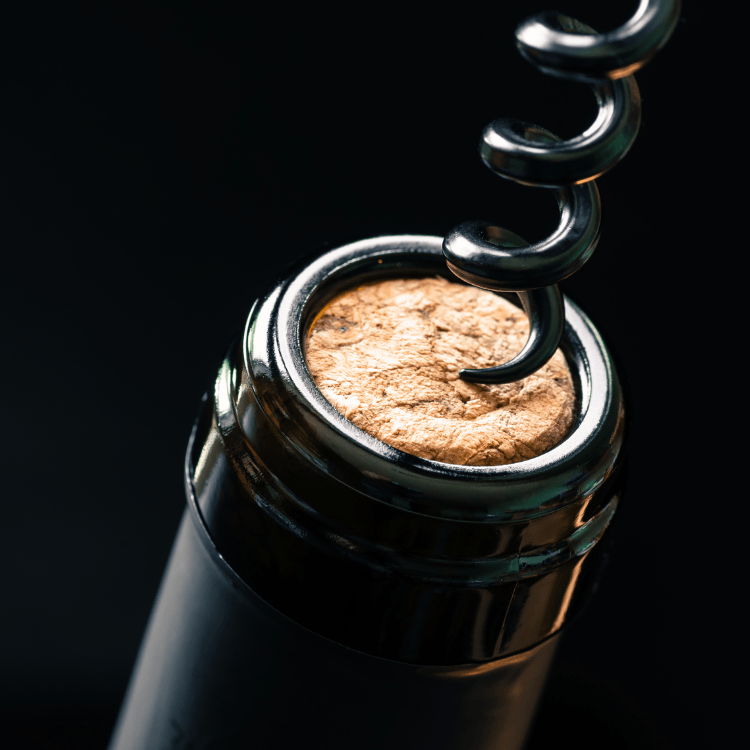
What Does “Corked Wine” Actually Mean?
If you've ever taken a sip of wine and thought, something’s off, you might be dealing with corked wine. But let’s be clear—corked wine has nothing to do with pieces of cork floating in your glass.
So, what is corked wine?
Corked wine is a wine that’s been tainted by a compound called TCA—short for 2,4,6-Trichloroanisole. This chemical contamination usually comes from the cork itself, though it can occur elsewhere in the winery.
TCA doesn’t make wine unsafe to drink. But it kills the aroma and flavor, leaving it dull, musty, and disappointing.
Wine corked definition: Wine that has been contaminated with TCA, usually through a natural cork, resulting in musty aromas and muted flavors.
What Causes Corked Wine? The Science of TCA
How Natural Cork and TCA Interact
TCA forms when natural molds in corks come into contact with chlorine-based sanitizers. Even small amounts can ruin a bottle.
Here’s the basic formula:
Natural cork + mold spores + chlorine = TCA (cork taint)
Once this compound is present, it’s incredibly aromatic, detectable at just a few parts per trillion.
Contamination Beyond the Cork
TCA can also develop from:
-
Winery barrels and wood materials
-
Bottling lines or storage equipment
-
Wooden pallets or cardboard soaked with chlorine-based cleaners
So yes, even wines with screw caps or boxed packaging can technically be “corked” if exposed to contaminated equipment.
Why TCA Is Still an Issue Today
Despite better sanitization methods, cork taint hasn’t been eliminated. Most cork producers now use advanced steaming and peroxide treatments to reduce TCA contamination, but the risk remains.
Estimates in 2025 suggest about 1–3% of wines worldwide may still suffer from TCA contamination. That's lower than in the past but still high enough to matter—especially if you open a bottle and experience it firsthand.
How to Tell If Your Wine Is Corked (Clear Signs)
So how do you spot a corked wine? Here’s how.
Smell: Wet Cardboard or Damp Basement
The most common corked wine smell is that of wet cardboard, mildew, or a damp basement. The musty odor is unmistakable once you’ve smelled it.
If your wine lacks fresh, fruity or floral aromas and instead smells moldy or flat, it’s likely corked.
Taste: Flat, Muted, Musty, No Fruit
Even if the smell doesn’t tip you off, the taste will.
Corked wine tends to:
-
Lose its fruitiness
-
Taste lifeless or dull
-
Have a dry, dusty finish
This is especially easy to notice with younger, vibrant wines that should burst with flavor. If the wine feels stripped of personality, it may be corked.
Color: Often Normal (Why That Misleads People)
One of the trickiest parts? Corked wine often looks completely normal. The color will seem fine—red wines look ruby, whites are straw or gold. That’s why many people don’t realize anything is wrong until they smell or taste it.
Intensity Levels: Mild vs Moderate vs Severe
TCA affects wine at different levels. Some corked wines are only slightly muted, while others are undrinkable.
-
Mild: Hard to detect unless you're familiar
-
Moderate: Noticeable musty smell and flat taste
-
Severe: Strong odor, zero fruit, unpleasant finish
How to Confirm Your Suspicion
Here’s a comparison table:
| Symptom | Corked Wine | Oxidized Wine | Heat-Damaged Wine |
|---|---|---|---|
| Smell | Wet cardboard, moldy | Sherry-like, nutty | Cooked fruit, caramel |
| Taste | Flat, no fruit, musty | Sour, stale, bitter | Burnt, sweet, cooked |
| Color | Normal | Darkened or brown | Often deeper or cloudy |
| Cause | TCA contamination | Too much oxygen | Heat during storage/shipping |
Are Corked Wines Safe to Drink?
Many people wonder, is corked wine harmful?
The answer: no, corked wine is not dangerous. It’s still alcoholic, not toxic, and won’t make you sick.
That said, it won’t taste good either. Drinking corked wine is safe, but definitely not enjoyable. And it’s not good for cooking, either—it can transfer that musty flavor into your food.
Does Corked Wine Happen Only With Cork Closures?
It’s a myth that corked wine only happens with corks.
Can Screw Caps Be Corked?
Yes—but it’s rare. If winery equipment is contaminated with TCA, even screw cap wines can be affected.
Can Boxed Wine Be Corked?
Box wine (or bag-in-box wine) can also suffer from TCA if it comes into contact with tainted hoses, storage tanks, or packaging materials at the winery.
In short: the cork isn’t always the villain—it’s the TCA.
How Common Is Corked Wine Today? (2025 Update)
Cork taint has decreased in recent years thanks to:
-
Improved cork sterilization processes
-
Adoption of synthetic corks and screw caps
-
Better quality control in wineries
However, it’s still estimated that 1 to 3 percent of wines globally are affected by TCA. That means roughly 1 in every 50 to 100 bottles could be flawed.
As more producers move away from natural cork, the risk is shrinking—but not gone.
How to Avoid Corked Wine When Buying or Serving
Here’s how you can reduce the chance of ending up with corked wine:
-
Buy from reputable producers with quality control measures
-
Check reviews or retailer return policies
-
Store wine properly—in cool, dry, dark spaces
-
Smell the cork before pouring—a musty cork could be a red flag
-
Taste test the first pour before serving to guests
If you suspect cork taint, return the bottle—most retailers and wineries will replace it.
FAQs About Corked Wine
What does corked mean when referring to wine?
It means the wine has been tainted with TCA, which creates a musty, off aroma and dull taste.
Is corked wine dangerous?
No. It’s safe to drink but unpleasant.
Can wine become corked after opening?
No. TCA contamination happens before the bottle is opened. However, oxidation and heat damage can develop after opening, which mimic some flaws.
Does corked wine smell like vinegar?
No. That’s more likely due to volatile acidity, not TCA. Corked wine smells like wet cardboard or a damp basement.
Can you fix corked wine?
Unfortunately, no. Some tricks with plastic wrap have circulated online, but they’re inconsistent at best.
How do sommeliers detect TCA?
Trained sommeliers often detect TCA by smell alone, even at low levels. They’re taught to identify musty, earthy, or moldy off-notes quickly.
Final Thoughts: Recognizing Corked Wine With Confidence
Understanding what corked wine is—and how to identify it—can save you from a disappointing pour. While cork taint is less common today, it still exists. Learn to trust your nose, taste buds, and instincts.
If something tastes off, it probably is.
Explore more on wine quality and storage:
- How to Tell If Your Box Wine Has Gone Bad (Smell Descriptions)
- How Should White Wine Be Stored After Opening? (Complete Guide)
Would you like an infographic showing corked vs oxidized vs heat-damaged wine? I can also create a wine aroma cheat sheet to help you train your palate.