Cart
0
Why Wine Bottle Sizes Matter (and Why You Should Know the Ounces)
Whether you're planning a dinner party, stocking your wine rack, or trying to control your portions, knowing how many ounces are in a bottle of wine is more useful than you'd think.
Here's why it matters:
-
Serving sizes: You’ll know exactly how many glasses you’ll get from each bottle.
-
Portion control: Understanding the wine serving size in oz helps with moderation.
-
Event planning: Hosting a party? You need to calculate how many bottles for your guest list.
-
Cost comparison: Is the 1.5L bottle cheaper than buying two 750 ml bottles? You’ll find out.
Standard Wine Bottle Sizes and Ounces
Let’s break down the most common wine bottle sizes you’ll encounter and how many ounces they contain.
187 ml Mini Bottle (Also Called a “Split”)
-
Ounces: 6.3 oz
-
Servings: 1 glass
-
Perfect for: Single servings, weddings, gift baskets, or picnics
375 ml Half Bottle
-
Ounces: 12.7 oz
-
Servings: 2 glasses
-
Great for: Date nights, wine tastings, or moderate consumption
500 ml Bottle
-
Ounces: 16.9 oz
-
Servings: Around 3–3.5 glasses
-
Less common, but often used for dessert wines or European brands
750 ml Standard Bottle
-
Ounces: 25.36 oz
-
Servings: 5 glasses (at 5 oz per serving)
-
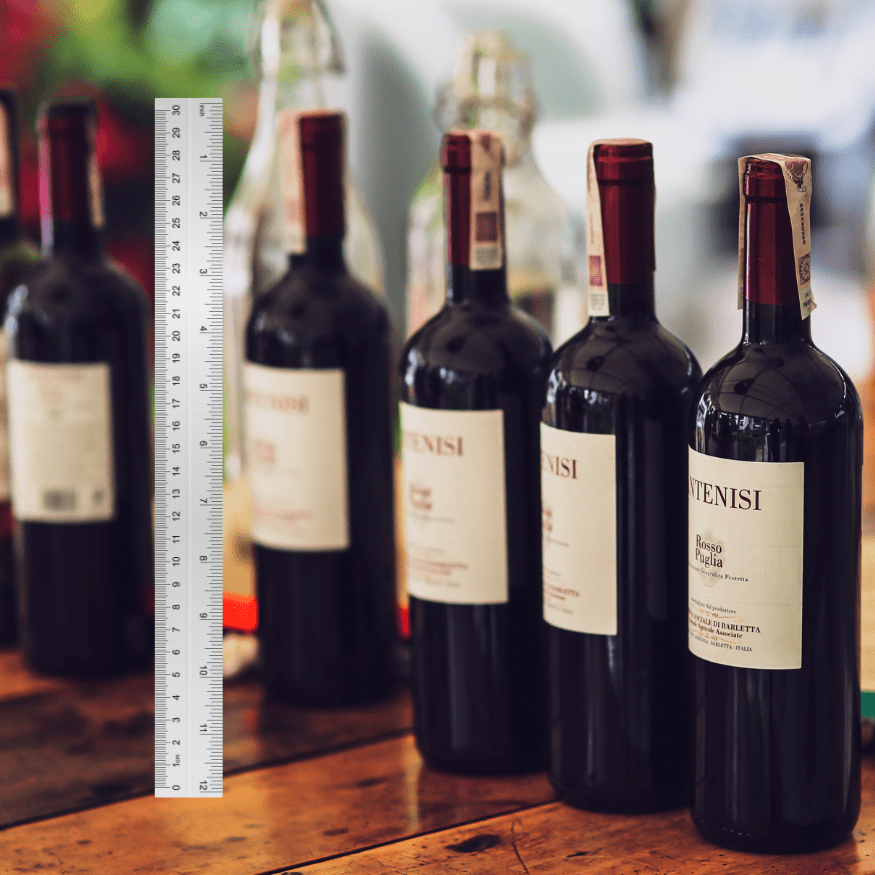
This is the typical wine bottle size you see on store shelves.
1.5L Magnum Bottle
-
Ounces: 50.7 oz
-
Servings: 10 glasses (5 oz each) or 8 larger glasses (6 oz)
-
This size equals two standard 750 ml bottles
Full Comparison Chart (Ounces, ML, and Number of Servings)
| Bottle Size | ML | Ounces | Servings (5 oz) | Servings (6 oz) |
|---|---|---|---|---|
| Mini | 187 ml | 6.3 oz | 1 | 1 |
| Half | 375 ml | 12.7 oz | 2 | 2 |
| Standard | 750 ml | 25.36 oz | 5 | 4 |
| Magnum | 1.5L | 50.7 oz | 10 | 8 |
Want to remember this? Bookmark this chart when planning your next dinner party or event.
When to Use Each Bottle Size
Each wine bottle size has its own best use depending on the occasion and how many people you're serving.
-
Mini (187 ml): Ideal for individual servings, gift sets, or travel.
-
Half (375 ml): Great for couples, tasting flights, or lighter drinkers.
-
Standard (750 ml): Your go-to bottle for regular use or small groups.
-
Magnum (1.5L): Best for larger gatherings, weddings, or aging fine wines—larger bottles age wine more slowly and evenly.
FAQs About Wine Bottle Sizes and Ounces
How many ounces are in a 1.5L bottle of wine?
There are 50.7 ounces in a 1.5L bottle, which equals two 750 ml bottles. That gives you about 10 standard 5 oz servings.
How many mini bottles equal a 750 ml?
You'd need four mini bottles (187 ml) to equal a single 750 ml bottle of wine.
Is 1.5L cheaper than two 750 ml bottles?
It often is. A magnum (1.5L) typically costs 10–20% less per ounce than buying two standard bottles. You're paying for volume and saving on packaging.
How many ounces in a bottle of wine?
A standard wine bottle (750 ml) contains 25.36 ounces.
How many ounces are in a mini wine bottle?
Mini bottles, also called splits (187 ml), contain 6.3 ounces—about one glass of wine.
How many ounces are in a half bottle of wine?
A 375 ml bottle holds 12.7 ounces, or roughly two glasses of wine.
How many ounces of wine in a glass?
A standard wine serving size is 5 ounces, though restaurants sometimes pour 6 ounces.
Is corked wine still alcoholic?
Yes—corked wine still has the same alcohol content. The taint affects flavor, not alcohol level.
Final Thoughts: Know Your Wine Bottle Sizes and Ounces
Whether you're pouring a single glass or preparing for a celebration, knowing how many ounces are in your wine bottle helps you plan smarter, pour accurately, and maybe even save money.
Here’s a quick recap:
-
750 ml = 25.36 oz = 5 servings
-
1.5L = 50.7 oz = 10 servings
-
187 ml = 6.3 oz = 1 serving
Still deciding how much wine you need?
How Many Drinks Are in a 750 ml Bottle of Wine? Easy ABV Guide