Cart
0
How Pinot Grigio Became a Trend in the U.S. While Pinot Gris Stayed a Sommelier Favorite
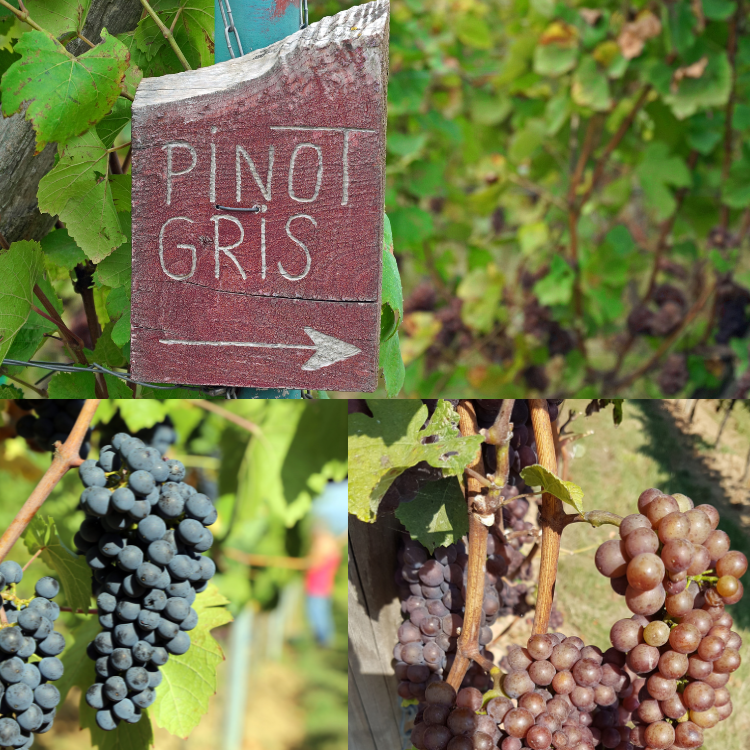
If you’ve ever wondered what the difference is between Pinot Grigio and Pinot Gris, you’re not alone. These two wines come from the exact same grape, but they’ve taken dramatically different paths—especially in the U.S. wine market.
One became a household name on grocery store shelves. The other stayed under the radar, cherished by sommeliers and wine insiders. So, what happened?
First Things First — Pinot Grigio and Pinot Gris Are the Same Grape
Let’s clear up the most common confusion: Pinot Grigio and Pinot Gris are genetically identical.
So why are they treated like different wines?
It all comes down to style, winemaking tradition, and regional expression. In fact, the name you see on the bottle is usually a signal of how the wine was made—and what you should expect in the glass.
-
Pinot Grigio = typically light, crisp, citrus-driven
-
Pinot Gris = often richer, spicier, more textured
Understanding this core difference helps you choose the bottle that best matches your taste.
The Rise of Pinot Grigio in the U.S. Market
The 1990s to Early 2000s Boom
During the 1990s and early 2000s, Pinot Grigio became a white wine sensation. If you walked into a restaurant and didn’t want Chardonnay, you probably asked for a Pinot Grigio.
Why? It offered:
-
A crisp, refreshing alternative
-
Lower alcohol content (typically 11–12%)
-
A clean, easy-drinking style that required no wine knowledge
It became the go-to “safe choice” for casual drinkers.
How Italian Pinot Grigio Dominated Grocery Shelves
Italian wine producers recognized a major opportunity. Pinot Grigio from Northern Italy, particularly Veneto and Friuli, was:
-
Mass-produced at scale
-
Priced affordably ($6–12 per bottle)
-
Shipped via strong distribution chains across the U.S.
You began seeing Pinot Grigio in supermarkets, airport lounges, and chain restaurants. It was everywhere, and that made it stick.
The Cultural Shift Toward Lighter “Everyday Wines”
At the same time, there was a growing interest in:
-
Low-calorie alcoholic options
-
“Approachable” wines that didn’t feel intimidating
-
Lifestyle marketing aimed at women and social drinkers
Pinot Grigio was branded as light, feminine, and fun—perfect for brunches, bridal showers, and backyard sips. And it worked.
Why Sommeliers Preferred Pinot Gris Instead
Complexity and Texture
If you're diving deeper into wine, you'll quickly hear sommeliers talk up Pinot Gris over Grigio. Why?
Because Pinot Gris offers:
-
Richer textures
-
Layers of flavor (think pear, melon, spice, and honey)
-
A broader range of styles, including dry, off-dry, and even sweet
It’s a wine with depth, often aged on lees or fermented with a bit of skin contact for added dimension.
Food Pairing Flexibility
Pinot Gris pairs beautifully with:
-
Spicy Asian dishes
-
Cream-based sauces
-
Roasted poultry or pork
-
Sharp cheeses
Its structure and roundness make it far more versatile at the table than the ultra-lean profile of most Grigio.
Winemaker-Driven Regions (Oregon, Alsace)
Regions like Alsace (France) and Oregon (USA) treat Pinot Gris as a craft wine, not a commodity.
These areas focus on:
-
Small-batch production
-
Minimal intervention winemaking
-
Elevating site expression and aromatic nuance
You’re more likely to find Pinot Gris in wine bars, boutique shops, or sommelier-recommended lists than in big box stores.
Flavor Profile Comparison: The Real Difference Sommeliers Talk About
Here’s a side-by-side look at the flavor profiles you can expect:
| Style | Pinot Grigio | Pinot Gris |
|---|---|---|
| Body | Light | Medium to full |
| Acidity | High | Moderate |
| Flavors | Lemon, green apple, lime | Pear, melon, spice, honey |
| Texture | Crisp and clean | Round and creamy |
| Sweetness | Dry | Can be dry or slightly off-dry |
| Common Regions | Italy (Veneto, Friuli), California | Alsace, Oregon, New Zealand |
This chart makes it easy to see the difference between Pinot Grigio and Pinot Gris at a glance—ideal for wine beginners and seasoned drinkers alike.
Why the U.S. Consumer Still Reaches for Pinot Grigio
Even with Pinot Gris gaining ground, Pinot Grigio still dominates in the U.S. wine aisle. Why?
-
Familiarity: The name is everywhere
-
Simplicity: Grigio is easier to pronounce and remember
-
Consistency: You know what you’re getting—light, crisp, and refreshing
-
Availability: It’s in every grocery store, restaurant, and corner wine shop
In short, Grigio is comfortable—and that’s powerful when you’re choosing between a dozen unfamiliar white wines.
Modern Trends — Is Pinot Gris Gaining Momentum?
Oregon’s Influence
Oregon winemakers have championed Pinot Gris for decades, crafting textured, aromatic wines that compete with the best whites in the world.
Boutique Wineries Pushing Gris Education
Small producers are leaning into education and tasting experiences to teach drinkers what makes Pinot Gris special—and different.
Move Toward Artisanal, Small-Batch Wines
Today’s consumers are showing more interest in:
-
Natural wines
-
Minimal intervention
-
Authenticity and craftsmanship
This movement has opened the door for Pinot Gris to shed its Grigio shadow and earn respect on its own terms.
FAQs: Pinot Grigio vs. Pinot Gris
Is Pinot Gris more expensive than Pinot Grigio?
Typically, yes. Gris is often made by small producers and in higher-quality styles. Grigio, on the other hand, is mass-produced and more budget-friendly.
Which is better for beginners?
If you want something easy and refreshing, start with Pinot Grigio. If you're ready to explore richer, more complex whites, try Pinot Gris.
Which is sweeter?
Pinot Gris can be sweeter, especially if it’s from Alsace. Pinot Grigio is usually dry with no noticeable sweetness.
Final Thoughts: Choosing Between Pinot Grigio and Pinot Gris
Now that you know the difference between Pinot Grigio and Pinot Gris, you’re better equipped to pick the one that fits your taste.
-
Pinot Grigio is your go-to for light, crisp refreshment.
-
Pinot Gris delivers more depth, texture, and complexity.
Both wines come from the same grape, but they speak very different languages in the glass.