Cart
0
The Difference Between Pinot Grigio and Pinot Gris Across the World: Italy vs Oregon vs France
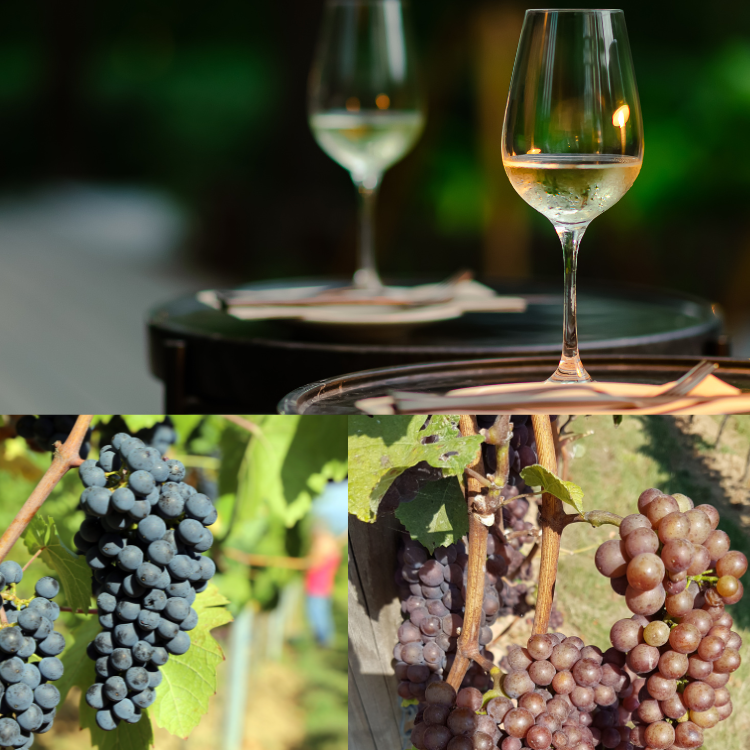
You’ve probably seen both Pinot Grigio and Pinot Gris on wine labels—but are they actually different? Surprisingly, they’re the same grape, just expressed in totally different styles.
So what makes Italian Pinot Grigio, Oregon Pinot Gris, and French (Alsace) Pinot Gris taste so different?
The answer lies in climate, winemaking philosophy, and regional tradition. This guide breaks down the flavor, texture, and body of Pinot Grigio and Pinot Gris by country—so you can find the perfect style for your taste.
Same Grape, Different Worlds — Why Style Changes by Country
At the core, Pinot Grigio and Pinot Gris are genetically the same grape, but everything from the weather to the winemaker’s intent influences how that grape ends up tasting in your glass.
What drives the difference?
-
Climate: Cooler climates (like Alsace and Oregon) encourage more acidity and complexity.
-
Winemaking philosophy: Mass production vs artisanal craftsmanship plays a huge role.
-
Tradition vs innovation: Italy sticks to a clean, zesty formula. Oregon and Alsace experiment with texture, aging, and aromatics.
So yes—same grape. Totally different wines.
Italian Pinot Grigio: Crisp, Light, Refreshing
Regions Known for Pinot Grigio
Most Italian Pinot Grigio comes from the Northeast, especially:
-
Veneto – Light, neutral, and dry
-
Friuli-Venezia Giulia – Slightly more elegant and fruit-forward
Flavor Profile
Expect a wine that’s:
-
High in acidity
-
Light-bodied and refreshing
-
Tasting of lemon, lime, green apple, and sometimes white peach
-
Always dry and clean on the finish
Why Italy Popularized the “Grigio Style”
Italian Pinot Grigio became popular for a reason. It’s:
-
Inexpensive
-
Consistent in flavor
-
Approachable for new wine drinkers
In the 1990s and early 2000s, U.S. consumers wanted wines that were light, crisp, and easy to drink—and Pinot Grigio fit the bill perfectly.
Oregon Pinot Gris: Textured, Fruity, and Layered
Climate Impact
Oregon’s Willamette Valley offers cool nights and long growing seasons, which allows grapes to ripen slowly. This helps Pinot Gris develop more intense flavors and a fuller body than its Italian counterpart.
Flavor Notes
In your glass, you’ll likely taste:
-
Pear, ripe melon, apple, and sometimes honey
-
Hints of spice or floral tones
-
Medium body with a creamy or silky texture
-
Often slightly higher alcohol than Italian Grigio
Winemakers’ Influence
Oregon winemakers tend to treat Pinot Gris with craftsmanship—not as a volume product. Expect:
-
Small-batch production
-
Wild fermentation or aging on lees (yeast sediment) for mouthfeel
-
Wines designed for flavor over volume
The result? A wine that feels intentional, layered, and food-friendly.
French Pinot Gris (Alsace): Rich, Aromatic, Sometimes Off-Dry
Alsace as the Benchmark of Gris
If you want to experience Pinot Gris at its most expressive, look to Alsace, France. Here, Pinot Gris is considered a noble grape, often treated with the same respect as Riesling.
Flavor Profile
Alsace Pinot Gris is:
-
Full-bodied and rich
-
Bursting with flavors like apricot, honeycomb, smoked almond, and even dried fruit
-
Often has a slightly sweet or off-dry finish
-
Lower in acidity but balanced with texture and complexity
Often Age-Worthy
Some Alsace Pinot Gris wines can age 5–10 years or more, especially from Grand Cru vineyards. These wines develop deeper honeyed and nutty notes over time—something you won’t find in most Pinot Grigio.
Side-by-Side Comparison Chart
| Region/Style | Climate | Body | Acidity | Sweetness | Flavor Notes | Alcohol Level | Food Pairings |
|---|---|---|---|---|---|---|---|
| Italy (Pinot Grigio) | Warm, dry summers | Light | High | Dry | Lemon, lime, apple, peach | 11–12.5% | Salads, light seafood, simple appetizers |
| Oregon (Pinot Gris) | Cool, long ripening | Medium | Medium-high | Dry or off-dry | Pear, melon, honey, spice | 12.5–13.5% | Pork, creamy pasta, roast chicken |
| France (Alsace Pinot Gris) | Cool continental | Full | Medium | Off-dry to sweet | Apricot, honeycomb, smoke, almond | 13–14% | Foie gras, smoked meats, mushroom dishes |
Which Should You Choose Based on Your Taste?
Still unsure which one is right for you? Here's a quick guide:
Choose Italian Pinot Grigio if you want:
-
A light and zesty wine
-
Easy drinking with high acidity
-
A budget-friendly bottle for casual sipping
Choose Oregon Pinot Gris if you prefer:
-
Fruit-forward whites with more texture
-
Crafted, small-production wines
-
Something more versatile for pairing
Choose Alsace Pinot Gris if you love:
-
Rich, expressive white wines
-
Off-dry or slightly sweet styles
-
Wines with age potential and complexity
FAQs
Which region makes the sweetest Pinot Gris?
Alsace produces the richest and often sweetest Pinot Gris, especially those labeled Vendanges Tardives (late harvest) or Sélection de Grains Nobles.
Is Oregon Pinot Gris similar to Italian Pinot Grigio?
Not really. Oregon’s Pinot Gris is typically richer, more textured, and more aromatic. Italian Pinot Grigio is lighter and simpler.
Which style ages best?
Alsace Pinot Gris can age for many years, developing complex honeyed and nutty notes. Italian Pinot Grigio is meant to be drunk young, while Oregon Pinot Gris can age for 2–5 years, depending on style.
Final Thoughts: Same Grape, Many Expressions
So, what’s the real difference between Pinot Grigio and Pinot Gris?
-
In Italy, it’s a light, refreshing everyday white
-
In Oregon, it’s crafted, flavorful, and food-friendly
-
In Alsace, it’s age-worthy, rich, and sometimes sweet
Now that you know the regional differences, you can pick the perfect bottle based on what you like—not just what’s popular.
Keep Exploring: