Cart
0
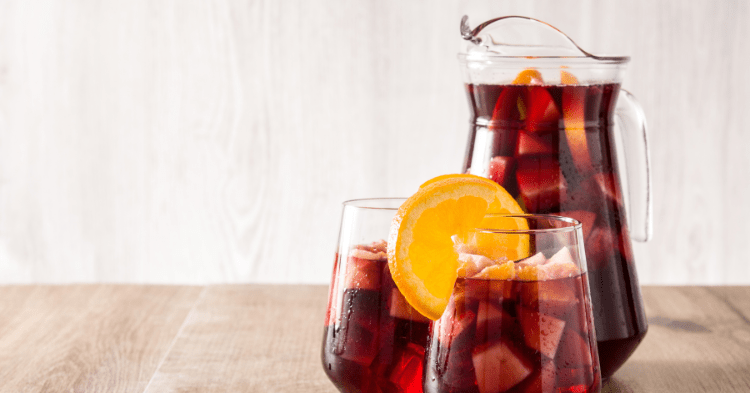
Bad sangria is everywhere — watery, oversweetened, built from a mix, poured from a jug that's been sitting in the fridge since Tuesday. Good sangria is a different drink entirely: layered, fruity, bold enough to carry a dinner party, and simple enough to make in fifteen minutes. The gap between the two isn't skill. It's just knowing which four things actually matter and ignoring the rest. Here's the best sangria recipe you'll ever make at home.
Quick Summary
This is a traditional sangria recipe built the Spanish way: dry red wine, brandy, triple sec, fresh citrus juice, sliced fruit, and a splash of sparkling water at the end. No bottled mix, no artificial flavoring, no shortcuts that cost you flavor. It takes 15 minutes to assemble and two hours in the fridge to reach peak taste — the wait is the secret.

What Most Sangria Recipes Get Wrong
Three problems show up in nearly every bad batch of sangria. All of them are avoidable.
The bottled mix problem. Pre-made sangria mix from a grocery shelf trades flavor for convenience and gets neither right. It's built on artificial flavoring, corn syrup sweetness, and cheap wine extract that produces a drink that tastes like fruit punch with a headache built in. Fresh fruit and a decent bottle of wine cost about the same and produce something incomparably better. Skip the mix.
The wrong wine problem. You do not need an expensive bottle for sangria — but you do need the right kind of bottle. Light, low-tannin reds work best because the fruit and brandy amplify everything already in the wine. A heavily oaked, tannic Cabernet used without thought can make sangria taste bitter and harsh. The best red wine for sangria is one with bright fruit character, moderate body, and no heavy oak. More on this below.
The no-chill problem. Sangria assembled and served immediately tastes thin and disjointed. The spirit, wine, juice, and fruit need at least two hours in the refrigerator — ideally overnight — for the flavors to merge and the fruit to release its oils into the liquid. Skipping the rest is the single biggest reason homemade sangria disappoints. Make it the night before a party and it will taste like a completely different drink by the time guests arrive.
The Classic Red Sangria Recipe
Why Each Ingredient Matters
- The wine is the backbone. You want a dry red wine for sangria with bright fruit character and moderate tannins — Garnacha, Tempranillo, Merlot, or Pinot Noir all work well. Heavily oaked wines make sangria bitter. High-tannin reds like Cabernet Sauvignon can work if the fruit and brandy are generous, but choose a bottle with ripe, forward fruit rather than structured austerity. More on the best wine picks below.
- Brandy is not optional in an authentic Spanish sangria recipe. It's the spirit that gives traditional sangria its depth and warmth. Spanish brandy (Brandy de Jerez) is the classic choice. French cognac works in a pinch. Don't substitute vodka — it adds alcohol without adding flavor, which is the opposite of what you want here.
- Triple sec adds orange-forward citrus sweetness that ties the fruit and wine together. Cointreau is the upgrade worth making if you plan to make sangria regularly — it's smoother, less cloying, and makes a noticeable difference in the finished drink.
- Fresh citrus juice — both orange and lemon — adds brightness and acidity that pre-made juice can't replicate. Squeeze it yourself. The difference is immediate and obvious.
- Simple syrup lets you control sweetness precisely. Add it gradually and taste as you go — the ripe fruit you're using and the natural sugar in the wine both contribute sweetness, so start with 1 oz and add more after chilling if needed.
- Sparkling water, added at serving — never to the pitcher — lifts the sangria and prevents the drink from sitting flat in the glass. This is the finishing detail that separates a polished sangria from one that tastes heavy.
The Best Wine and Glassware for Sangria
The two things that matter most for a great red sangria — beyond the recipe itself — are starting with a wine that has the right fruit character, and serving it in a glass large enough to hold ice, fruit, and sparkling water without crowding. Here are our picks for both.


The Best Wine for Sangria — By Type and Budget
You don't need an expensive bottle for a great sangria wine recipe. You need the right style of wine. Here's how to choose across every scenario.
- Best Spanish red wine for sangria — Garnacha or Tempranillo from Rioja or Priorat. These are the authentic Spanish sangria grapes: medium-bodied, bright cherry fruit, earthy finish. Look for bottles labeled Rioja Crianza in the $10–18 range. Campo Viejo and Bodegas Muga are reliable producers.
- Best Merlot for sangria — A soft, fruit-forward Merlot from California or Chile brings plum and dark cherry that plays beautifully with brandy. Avoid tannic, austere Bordeaux-style Merlots — you want accessibility, not structure.
- Best Pinot Noir for sangria — Lighter-bodied with high acidity and bright red fruit (strawberry, raspberry, cherry). Works exceptionally well in a berry red wine sangria variation with raspberries and strawberries. Oregon and Burgundy Pinots are ideal; California Pinots tend to be too high-alcohol.
- Best Cabernet for sangria — Choose one with ripe, forward dark fruit rather than heavy oak and tannin. The Prisoner Cabernet (above) is the benchmark. Budget alternative: Josh Cellars Cabernet Sauvignon at around $12 works reliably.
- Best cheap wine for sangria — Barefoot Cabernet or Merlot, Bota Box Dark Red Blend, or any $8–12 Spanish Garnacha. The brandy, triple sec, and fruit carry significant flavor — an inexpensive wine gets a major lift from the build. Don't spend more than $15 unless you're specifically showcasing the wine.
Best Fruit for Red Sangria
The best fruit for red wine sangria depends on the season and the wine style, but these combinations consistently work well across any batch.
- Classic: Orange rounds, lemon rounds, green apple cubes. Bright, citrus-forward, works with any red wine style.
- Summer berry: Strawberries, raspberries, blueberries, orange. Best with lighter reds — Pinot Noir, Garnacha. Visually stunning.
- Autumn / fall: Apple, pear, orange, cinnamon stick. Add a splash of apple cider in place of the sparkling water. Pairs especially well with Tempranillo and Merlot.
- Holiday / Christmas: Orange, pomegranate seeds, cranberries, cinnamon, star anise. Deep red color, warm spice. Built for a best Christmas red sangria moment.
- Tropical: Mango, pineapple, orange, lime. Works best with a fruity Merlot or light Spanish red. Unusual but genuinely good when the wine has enough body to carry tropical fruit.
Sangria Variations Worth Making
- Red Sangria with Rum: Replace the brandy with dark rum — Diplomatico Reserva is the best call here. The rum adds a molasses-and-caramel richness that works especially well in a homemade sangria with rum built around mango and orange.
- Red Sangria with Vodka: Replace brandy with vodka and add a splash more simple syrup to compensate for the lost flavor depth. Cleaner and more neutral — best when you want the fruit and wine to lead. A red sangria recipe with vodka works especially well in summer with lots of citrus.
- White Sangria: Swap the red wine for a dry Sauvignon Blanc or Pinot Grigio, replace brandy with elderflower liqueur, and use peach, melon, cucumber, and mint as the fruit. Lighter, more refreshing, and the best white wine for sangria builds are underappreciated.
- Sangria with Triple Sec only (no brandy): Increase the triple sec to 3 oz and skip the brandy for a lighter, more citrus-forward build. Lower alcohol, better for afternoon parties. Still needs the overnight rest to taste its best.
Your Sangria Questions, Answered
What are the basic ingredients for sangria?
The basic sangria ingredients in a traditional recipe are dry red wine, brandy, triple sec, fresh orange juice, fresh lemon juice, a sweetener (simple syrup or agave), and sliced fruit — typically orange, lemon, and apple. Sparkling water is added at serving for effervescence. That's it. Every variation builds on these seven elements. Some recipes add cinnamon, vanilla, or pomegranate juice, but the classic simple sangria recipe doesn't need embellishment.
What is the best red wine for sangria?
The best red wine for sangria is a medium-bodied, fruit-forward red with moderate tannins and no heavy oak. In Spain, Garnacha and Tempranillo are the best Spanish wine for sangria — both have the bright cherry fruit and earthy character that define authentic sangria. Outside of Spain, Merlot and Pinot Noir are the most reliable picks because their softness and fruit-forward character shine through the brandy and citrus. Avoid over-oaked, heavily tannic reds — they turn bitter when mixed.
How long should sangria sit before serving?
At minimum, two hours refrigerated. Overnight is significantly better. The chilling period allows the brandy, wine, juice, and fruit to merge into a cohesive drink rather than tasting like separate elements thrown together. The fruit also releases its oils and juice into the liquid during this time, which is what gives a well-made sangria its distinctive depth. If you've ever made sangria and been disappointed, insufficient chilling time is almost certainly the reason.
Can you make sangria without brandy?
Yes — and it's still good, just different. Brandy adds warmth and depth that no other spirit replicates exactly, but rum (dark rum especially) comes closest and makes a genuinely excellent red sangria with rum. Vodka is the most neutral substitute — a red sangria recipe with vodka lets the wine and fruit lead but loses some of the richness. For a no-spirit version, add extra orange juice and a splash of pomegranate juice in place of the brandy and increase the simple syrup slightly.
Is it better to make sangria the night before?
Without question, yes. A sangria made the night before and chilled overnight tastes like a professionally made drink. The same recipe assembled two hours before serving tastes like what it is — a pitcher of wine with fruit floating in it. The overnight rest is what separates a good sangria from a great one. Make it the day before your party, refrigerate it covered, and add the sparkling water at the glass when you're ready to serve.
What makes an authentic Spanish sangria?
An authentic Spanish sangria recipe uses Spanish red wine (Tempranillo or Garnacha), Spanish brandy (Brandy de Jerez), triple sec, fresh citrus juice, sliced orange and lemon, and a sweetener. The key distinguishing features of a traditional Spanish build are: brandy (not vodka or rum), dry wine (not sweet), and enough rest time for everything to integrate. Spanish sangria is not sweet like a punch — it's a wine-forward, lightly sweetened drink where the fruit and spirit deepen the wine rather than masking it.
The short version: Good wine, real brandy, fresh citrus, proper fruit, and enough time in the fridge. That's the best sangria recipe — and once you make it right, the bottled mixes will never tempt you again.
Hosting a full dinner party? Our guide to wine accessories and entertaining essentials covers everything from the right pitcher to glassware that makes a spread like this feel effortless.