Cart
0
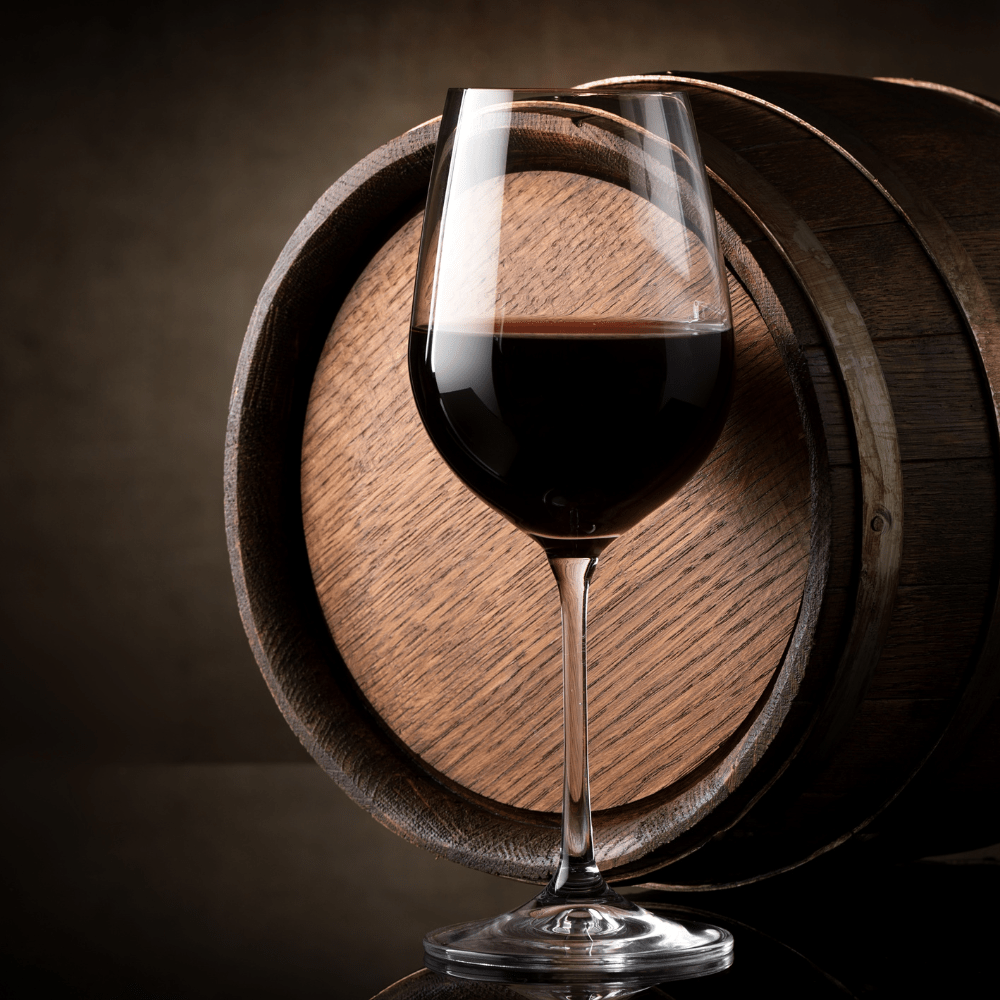
With rising interest in health-conscious living, low alcohol wines have gained popularity among casual drinkers and wine enthusiasts alike. But what exactly qualifies as low alcohol wine, and is it actually better for one's health?
What Is Considered a Low Alcohol Wine?
A wine is typically considered "low alcohol" when its ABV (alcohol by volume) is under 11%. In contrast, most red wines average between 13–15% ABV, and whites hover around 12–14%. Low alcohol wines can include a range of varietals, such as Riesling, Moscato, and some lighter reds and rosés.
Is Low Alcohol Wine Better for You?
There’s a growing consensus that reducing alcohol intake can lead to several health benefits. Low alcohol wines may offer a middle ground—allowing wine lovers to enjoy a glass without the full effects of a standard pour.
Potential benefits include:
-
Fewer calories: Less alcohol often means lower caloric content
-
Lower impact on the liver: Alcohol is metabolized in the liver, so reduced ABV may ease its workload
-
Reduced risk of intoxication: Lower alcohol levels make it easier to remain clear-headed
-
May be safer during pregnancy (if approved by a doctor)
Important Note: Always consult a healthcare provider regarding alcohol consumption during pregnancy or specific health conditions.
Is Low Alcohol Wine High in Sugar?
A common trade-off with low alcohol wines is the higher sugar content in some bottles, especially sweeter varieties like Moscato. This is because fermentation is halted earlier, leaving behind residual sugars.
While not all low alcohol wines are sweet, it’s important to check labels or choose dry low-alcohol wines if sugar intake is a concern.
The Best Low Alcohol Wines to Try in 2025
For those exploring healthier lifestyle choices or simply looking to enjoy wine with less alcohol, there’s an exciting range of low alcohol wines to choose from in 2025. From light reds to crisp whites and effervescent rosés, these selections combine flavor, quality, and lower ABV.
Top Picks for Low Alcohol Wines in 2025
1. Dr. Loosen Riesling (Germany)
-
ABV: 8.5%
-
Type: White
-
Notes: Bright, citrusy, and refreshing. A classic off-dry wine with low alcohol and high acidity to balance residual sugar.
-
Best for: Sipping on a summer evening or pairing with spicy food.
2. Stella Rosa Black
-
ABV: 5%
-
Type: Semi-sweet red
-
Notes: Berries and soft bubbles make this wine popular among new wine drinkers.
-
Best for: Low-key gatherings or wine spritzers.
3. Fre Merlot (Non-Alcoholic Option)
-
ABV: <0.5%
-
Type: Red
-
Notes: Rich in flavor without the alcohol. Technically non-alcoholic but fits well into the low alcohol category.
-
Best for: Those avoiding alcohol altogether.
4. Domaine de Fontsainte Gris de Gris Rosé
-
ABV: 12.5% (on the edge of low-alcohol)
-
Type: Rosé
-
Notes: Dry and floral with stone fruit notes. A favorite for spring and summer.
-
Best for: Rosé lovers seeking balance.
5. Bartenura Moscato (Italy)
-
ABV: 5%
-
Type: Sweet white
-
Notes: Sweet and lightly sparkling with tropical notes.
-
Best for: Dessert pairings or celebratory sips.
Are Low Alcohol Wines Any Good?
Absolutely. Are low alcohol wines any good? Many wine professionals and casual consumers alike have praised low-alcohol wines for their approachability, versatility, and flavor balance. As winemakers innovate and respond to demand, the quality of these wines continues to improve.
Buying Low Alcohol Wine
Many of the best low alcohol wines can be found online, at local wine shops, and even at supermarkets. Consumers often search:
-
Does Aldi sell low alcohol wine? – Yes, Aldi frequently carries affordable low ABV wines.
-
Where to buy low alcohol wine near me? – Use apps like Vivino or contact local wine shops.
-
Who sells low alcohol wine online? – Online wine retailers and specialty stores offer a broader selection.
Final Thoughts
Whether one is cutting back on alcohol, managing health, or simply curious about lighter sipping options, low alcohol wine offers a wide array of delicious and diverse choices, not only do these wines allow for more mindful consumption, but many deliver on flavor just as well as their higher-alcohol counterparts.