Cart
0
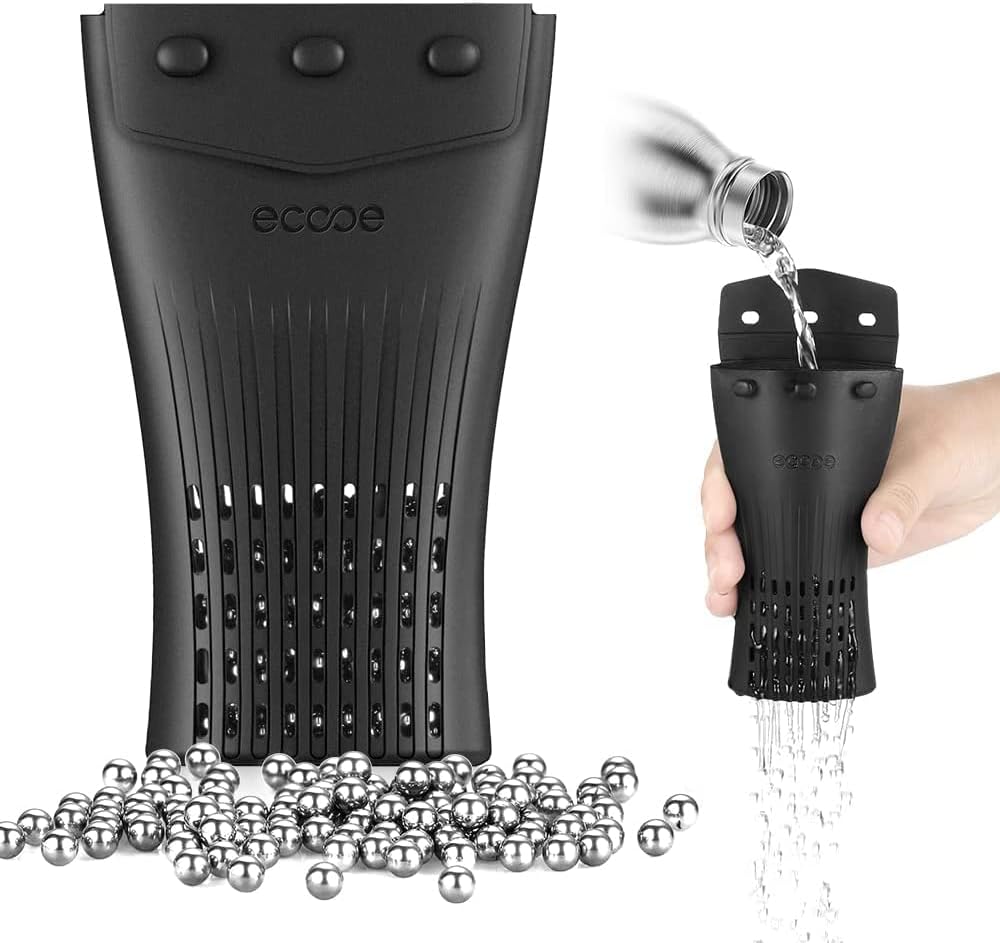
If you've ever held a stained decanter over a sink, shoved a brush in as far as it would go, and still ended up with a purple ring at the base you couldn't reach, decanter cleaning beads are probably the answer you've been looking for. The idea sounds strange at first: pour a handful of small stainless steel balls into your decanter, add water, and swirl. But the physics behind it are genuinely clever, the results are consistently better than brushes for most decanter shapes, and the ongoing cost after the initial purchase is essentially zero. Here's what they actually do, how to use them correctly, and whether they're worth buying for your specific setup.

Quick Summary
Wine decanter cleaning beads are reusable stainless steel balls that physically scrub tannin stains from every interior surface of a decanter through a swirling motion: no brush, no soap, no chemicals. They're the best tool for decanters with intricate shapes that a brush physically can't reach, and they outperform vinegar alone on deep, set-in stains. The two best options at every price point are below.
Why Brushes Fail and Why Beads Work
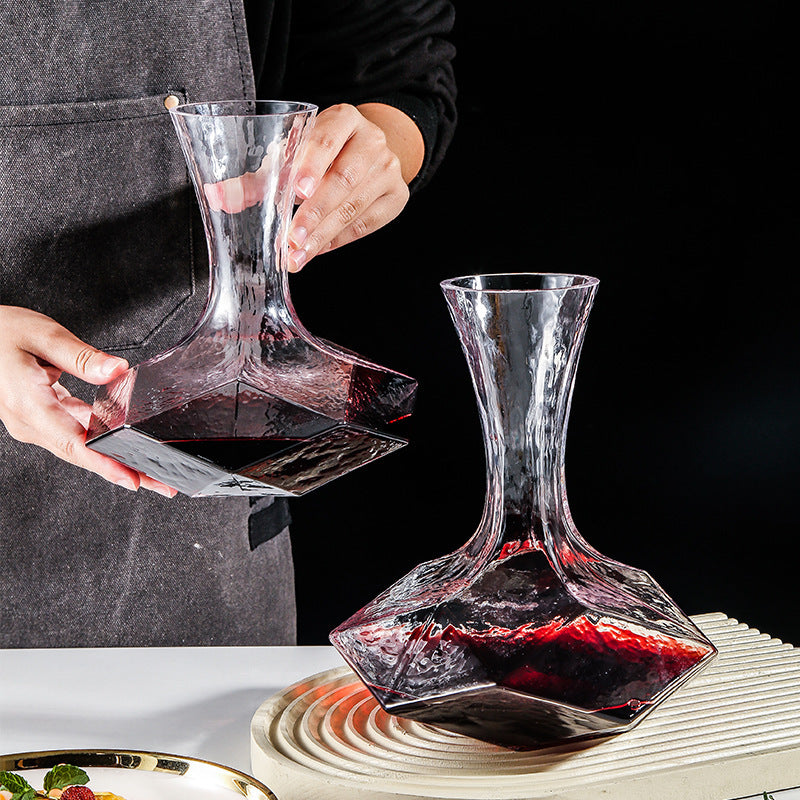
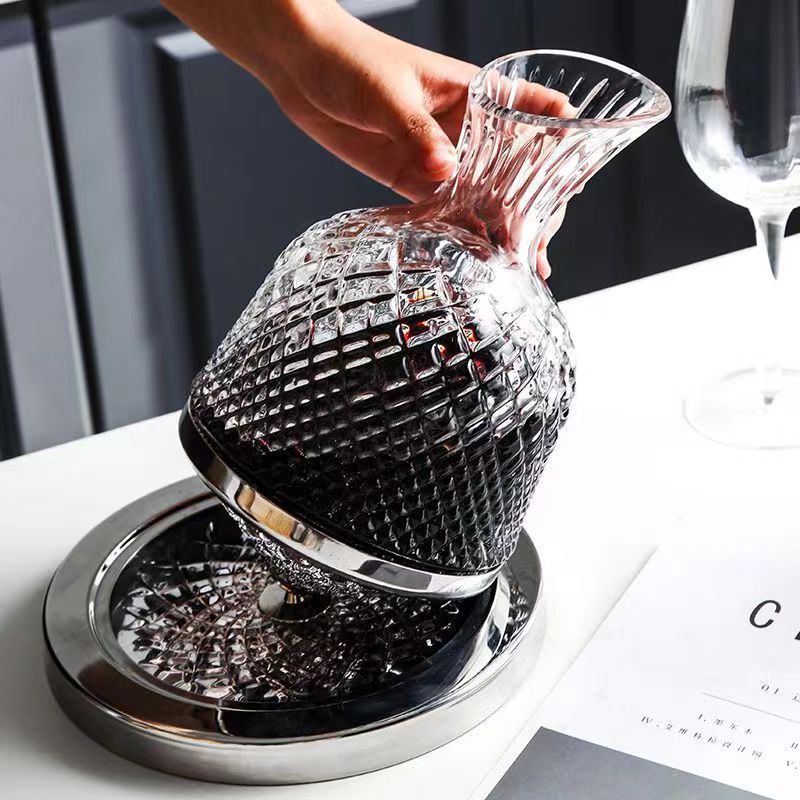
The classic wine decanter problem is a shape problem. Most quality decanters (Riedel, Spiegelau, Zalto, and similar brands) are designed with a narrow neck that opens into a much wider base chamber. That shape is intentional: the wide base maximizes surface area for aeration while the narrow neck controls the pour. But it creates a cleaning paradox. A brush narrow enough to fit through the neck can't reach the curved walls of the base chamber. A brush wide enough to clean the base can't pass through the neck at all.
So most people default to rinsing with hot water and hoping for the best, which works for fresh wine but does nothing for dried tannin deposits. Tannins are polyphenol compounds that bond aggressively with glass as they dry, which is why that purple-brown ring at the base of a decanter doesn't respond to water or standard cleaning agents. What removes tannin residue is physical contact with the stained surface, which is exactly what a brush can't achieve below the neck.
Cleaning beads for decanters solve this geometrically. The beads are small enough to fit through any neck opening, but when you fill the base with water and swirl, they spread across every interior surface including the curved base, the shoulder, and the sides, driven by gravity and the momentum of the swirling motion. They make contact everywhere a brush can't reach, repeatedly, for as long as you swirl. The result is a decanter cleaned from every angle simultaneously, without any of the pressure-on-glass risks of forcing an ill-fitting brush.
The Science: What Stainless Steel Beads Actually Do to Tannin Stains
Stainless steel cleaning beads work through a combination of mechanical abrasion and hydrodynamic force. The steel is hard enough to physically break the bond between dried tannins and glass, but smooth enough that it doesn't scratch the surface. This is the key distinction between stainless steel beads and anything granular like salt or sand, which would scratch.
When you swirl a decanter with beads inside, two things happen simultaneously. The beads in direct contact with the glass walls provide direct mechanical scrubbing. Their mass and the rotational momentum of the swirl drives them across the stained surface with enough force to lift the tannin deposit. The water carries the loosened particles away from the surface so the beads are always working against fresh residue rather than pushing old material around.
The result is thorough, even cleaning across the entire interior surface in three to five minutes, without soap, without chemicals, and without any risk to the glass. The beads are reusable indefinitely; the only ongoing cost is the water. This is why cleaning decanter with beads has become the preferred method in professional restaurant wine service, where decanters get heavy use and need reliable cleaning after every service.
The Best Decanter Cleaning Beads: Two Picks at Every Budget


How to Use Decanter Cleaning Beads: Step by Step
The technique matters as much as the tool. Most people who try cleaning decanter with beads for the first time and don't get great results are using too few beads, too little water, or the wrong swirling motion. Here's the process that works.
- Add the beads first. Pour a generous amount of stainless steel cleaning beads into the decanter: roughly a third of a cup for standard decanters, half a cup for wide-base designs. More beads means better coverage. The most common mistake is using too few.
- Add lukewarm water. Fill to two to three inches above the base, enough for the beads to move freely through the water. Never use hot water: the thermal shock risk to crystal glass isn't worth the minimal cleaning benefit. Lukewarm is effective and safe.
- Swirl in a steady, circular motion for two to three minutes. Keep the motion smooth and continuous rather than shaking or jerking. The goal is to keep the beads in constant rolling contact with the glass surface. Tilt the decanter at different angles, about 45 degrees, to work the sides and shoulders, not just the flat base.
- For stubborn stains, soak first. Add a splash of white vinegar with the beads and water, and let it sit for five to ten minutes before swirling. The vinegar weakens the tannin bond and makes the beads' mechanical action significantly more effective on deep, set-in stains.
- Pour out through the silicone bag or a mesh strainer. Capture the beads as you empty: they're reusable indefinitely. Rinse them under water before storing.
- Rinse the decanter two to three times with lukewarm water until completely clear. Hold it to a light source to check. Any remaining haze means another swirl is needed.
The One Rule That Protects Your Decanter
Always use lukewarm water, never hot or boiling. Sudden temperature change causes thermal shock in lead-free crystal, which creates microscopic stress fractures that weaken the glass over time and aren't visible until the decanter eventually cracks during normal use. This applies to all decanter cleaning: wine decanter cleaning balls, brushes, vinegar soaks, and rinsing. Match the water temperature to the decanter's current temperature before adding anything. Lukewarm is always safe.
Beads vs. Every Other Cleaning Method: Honest Comparison
- Cleaning beads vs. decanter brush Brushes work well in straight-sided decanters with wide necks. They fail completely in decanters with narrow necks and wide base chambers, which covers the majority of quality wine decanters. Carafe cleaning beads work in every shape without restriction. For intricate decanters, beads aren't just better: they're the only tool that actually reaches the stain.
- Cleaning beads vs. vinegar and rice Vinegar and rice is the best pantry solution for light stains and accessible shapes. For deep stains or narrow-neck decanters, decanter cleaning balls are more effective: they generate more contact force than rice grains and work in areas rice can lodge and get stuck. Combining both (a vinegar pre-soak followed by a bead swirl) handles the most stubborn staining.
- Cleaning beads vs. dishwasher Never put a quality decanter in the dishwasher. The high heat causes thermal shock, the detergent leaves residue, and the mechanical action of a dishwasher cycle puts stress on thin crystal that isn't designed for it. Wine decanter beads with lukewarm water are the safe, effective alternative that doesn't risk your decanter.
- Cleaning beads vs. dish soap Dish soap should never touch the inside of a decanter. Surfactants leave a micro-film that doesn't fully rinse away and transfers a soapy note to the next bottle you pour, most noticeable in delicate whites and lighter reds. Stainless steel cleaning beads with plain water clean without leaving any flavor-affecting residue. This is the most important distinction: beads clean the decanter without compromising the wine you pour next.
Are Decanter Cleaning Beads Worth It? The Verdict
For a straight-sided decanter with a wide neck and no complex curves (the simple carafe style), a brush and some white vinegar does the job fine and costs nothing if you already have those things.
For anything else: any decanter with a narrow neck, a wide base chamber, complex curves, or significant tannin buildup, decanter cleaning beads are genuinely worth buying and the argument for them is strong. They cost under $15, last indefinitely, outperform every alternative on difficult shapes and deep stains, and leave zero residue. The ongoing cost-per-clean after the initial purchase is nothing. It's one of the few wine accessories that delivers obvious, immediate improvement and never needs replacing.
If you've ever looked at a favorite decanter and thought "I can't get it properly clean," the answer is almost certainly a set of stainless steel cleaning beads. The skepticism makes sense before you try them. After the first use, it doesn't.
Quick Decision Guide
- First time buying with no cleaning tools yet: Get the full kit, beads, brush, and drying stand in one purchase
- Already have a brush and drying stand: Standalone beads with silicone bag, best value, most practical
- Wide-base or intricate decanter (Riedel, swan-neck): Either option; beads are the right tool regardless, brush is secondary
- Light stains on a simple carafe: White vinegar and rice works fine. Buy beads when the staining gets worse or you upgrade to a more complex decanter shape
Your Decanter Cleaning Bead Questions, Answered
How do decanter cleaning beads work?
Decanter cleaning beads are small stainless steel balls that roll across the interior surface of a decanter during a swirling motion, physically scrubbing tannin deposits from the glass. Their density keeps them in rolling contact with the glass throughout the swirl, and their smooth surface generates friction without scratching. The water carries loosened tannin particles away so the beads are always working on fresh residue. The process takes two to three minutes and reaches every surface, including curved bases and shoulders that a brush can't physically access.
How many cleaning beads do I need for my decanter?
A third to half a cup of beads is the right amount for most standard 750ml decanters. For wide-base decanters, err toward half a cup. Underfilling is the most common mistake, and too few beads leaves gaps in surface coverage. The beads should spread across the base and sides when you add water and swirl; if they're clustered in one spot, add more. For narrow carafes or simple cylinder-shaped decanters, a third of a cup is sufficient.
Can I use cleaning beads on a Riedel or crystal decanter?
Yes, and cleaning beads for decanters are actually the recommended method for Riedel and other thin crystal designs specifically because they don't require a brush pressing against delicate glass. The critical rules for crystal are: use lukewarm water only (never hot, as thermal shock cracks thin crystal), swirl gently rather than shaking, and don't overfill. The beads clean through gentle rolling contact, not force, which is exactly what delicate hand-blown crystal needs.
How do I empty the beads without losing them down the drain?
Pour out through the silicone bag (included with the standalone bead pack above) or through a small mesh kitchen strainer held over the sink. The beads are captured in the strainer, the water drains through. Rinse the beads under water, return them to the bag, and they're ready for next time. This step is where most people lose beads the first time, so have your strainer or bag ready before you start emptying.
How long do decanter cleaning beads last?
Stainless steel wine decanter cleaning beads last indefinitely with proper care. They don't wear down, they don't rust (stainless steel is corrosion-resistant), and they don't lose their cleaning effectiveness over time. The only reason to replace them is physical loss from beads going down the drain or being misplaced. A pack purchased today is the last pack you'll ever need to buy for cleaning any decanter you own, for as long as you own it.
Can I add vinegar when using cleaning beads?
Yes, and it's the recommended approach for stubborn stains. Add a splash of white vinegar to the water before swirling. The vinegar breaks down the tannin-to-glass chemical bond, making it easier for the beads to physically lift the loosened deposit. For a decanter that hasn't been properly cleaned in months, try a five-minute vinegar soak before adding the beads. The combination of chemical action from the vinegar and mechanical action from the carafe cleaning balls handles the most difficult cases that neither method solves alone.
The short version: If your decanter has a narrow neck, a wide base, or stains that a brush can't reach, wine decanter cleaning beads are the right tool. They cost under $15, last forever, and clean every surface that conventional methods miss. The skepticism is reasonable before you try them. It doesn't survive the first use.
Want the full step-by-step guide covering vinegar, rice, drying technique, and Riedel-specific care? Read our complete guide to the easiest decanter cleaning method for every scenario. Best Wine Decanter with Aerator: Our Top 5 Picks for 2026

![5 Best Wines to Go With Pork Ribs [Ranked]](http://truewinelover.com/cdn/shop/articles/5-best-wines-to-go-with-pork-ribs-ranked-9965809.png?v=1776030395&width=300)