Cart
0
Wine Accessories Guide
Whether you want better-tasting wine in ten minutes or a stunning centerpiece for date night, a great carafe or decanter gets you there.
If you have ever poured a bottle of cab straight into glasses and wondered why it tasted sharp and closed off, you have skipped one of wine's simplest upgrades: a proper decanter or carafe. These vessels do real work. Swirling wine through a wide base exposes it to oxygen, softens tannins, releases aroma, and turns a muted bottle into something expressive and alive.
We tested shapes, materials, and price points to figure out which options actually deliver on that promise. Below you will find our top picks organized by type, a thorough buyer's guide, and clear answers to the questions we get most often about carafes, decanters, and everything in between.
Wine Carafe vs. Wine Decanter: What's the Difference?
People use these words interchangeably, but there is a real distinction worth knowing.
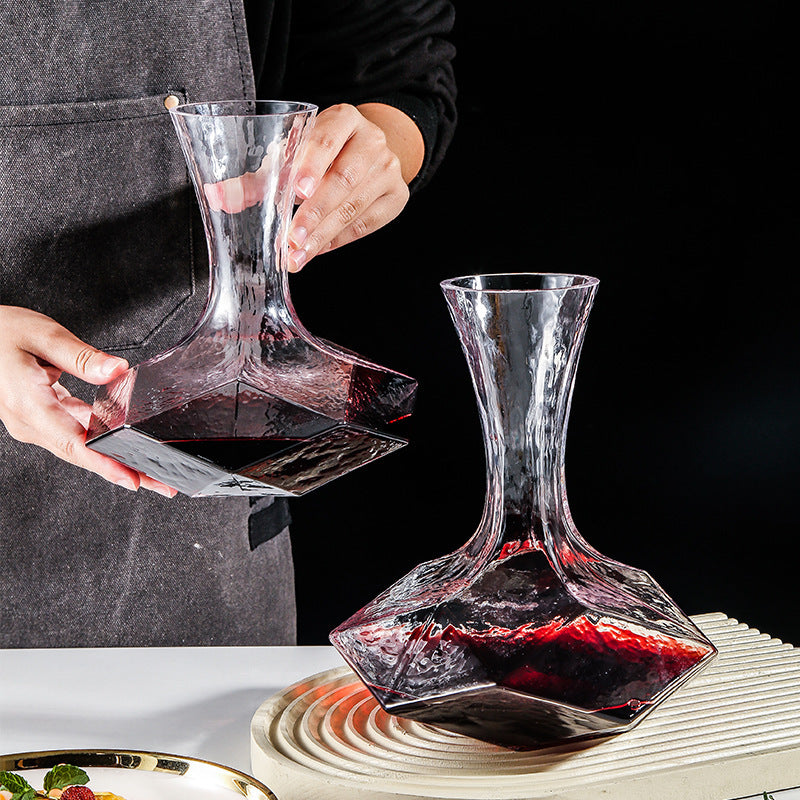
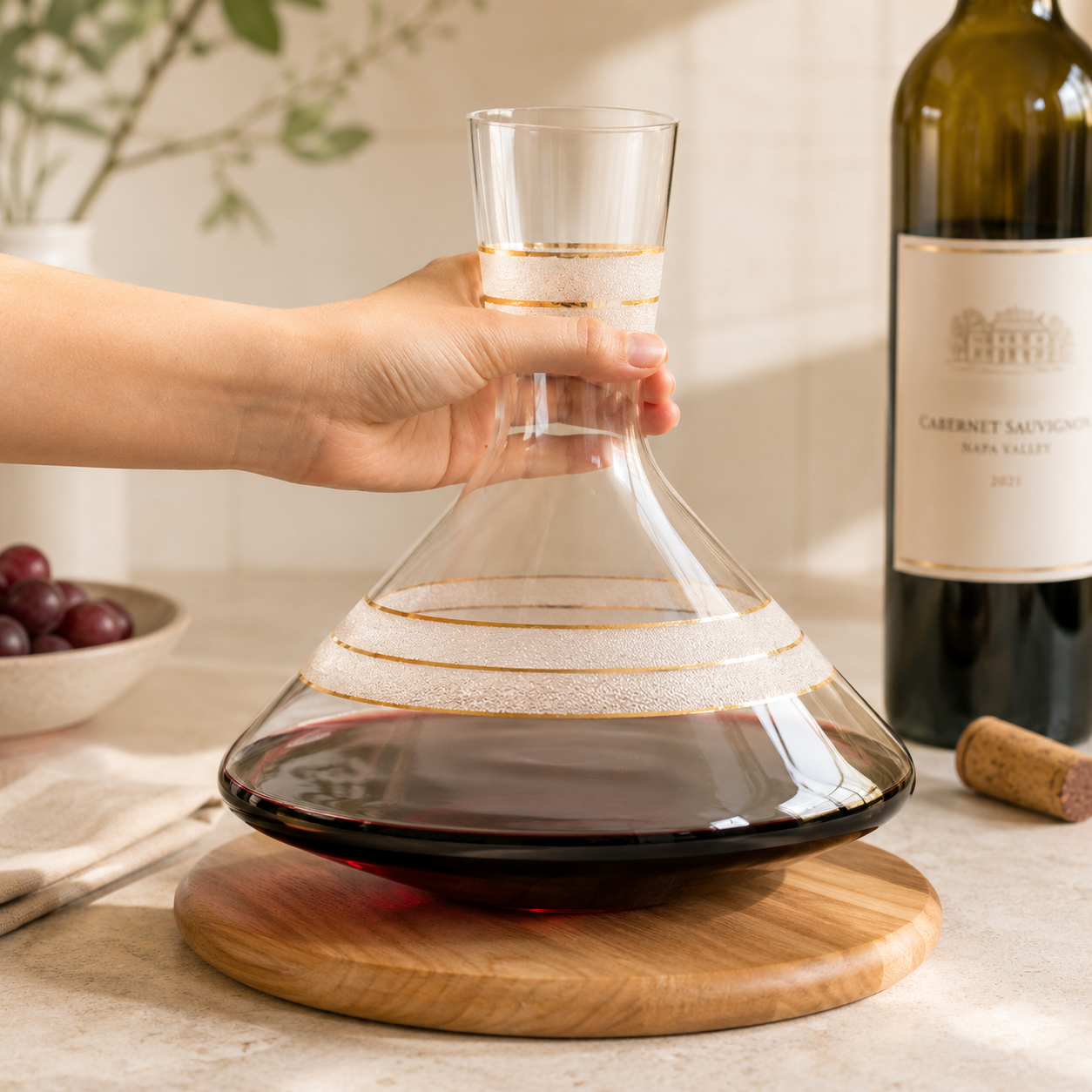
A wine decanter has a wide, flat base designed to maximize surface area. More surface area means more oxygen contact, which means faster aeration. Decanters are built for red wines with grippy tannins and aromas that need time to open, wines like Cabernet Sauvignon, Barolo, and young Syrah. The classic decanter shape looks elegant on the table and doubles as a serving vessel once your wine has had its breathing time.
A wine carafe is simpler: typically a straight-sided glass or ceramic vessel without the wide base. Carafes shine for wines that need just a little air, everyday reds and whites you want to serve at the table without lugging the bottle around. They are also the go-to for restaurants pouring house wine, and they work perfectly for sparkling water, juice, or lemonade when wine is not on the menu.
The bottom line: if you drink a lot of bold, structured reds, a decanter earns its keep. If you mostly drink lighter reds, whites, or want something versatile and easy to clean, a carafe fits better. Many households end up owning one of each.
At a Glance: Best Wine Carafes and Decanters
- Best Crystal Decanter Crystal Red Wine Decanter 1000ml
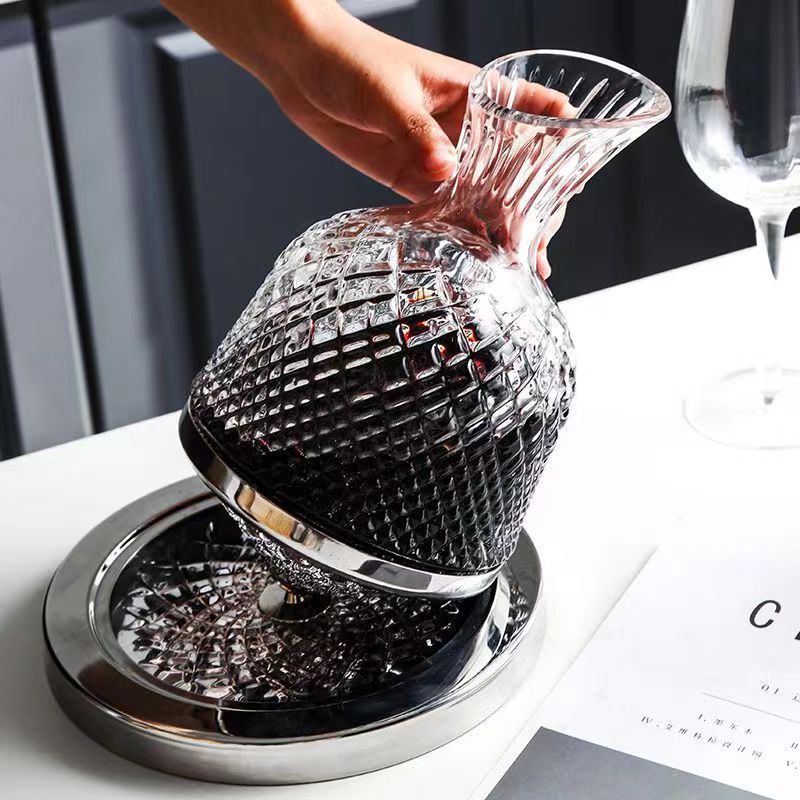
- Best Rotating Decanter Crystal Glass Rotating Wine Decanter
- Best for White Wine Look for a carafe with an ice chamber insert
- Best Small Carafe A 500ml carafe for single-glass or half-bottle pours
- Best Gift Set Decanter paired with a cleaning brush and stopper
Best Crystal Wine Decanters
Crystal decanters look the part and perform better than standard glass. The material can be pulled thinner for a more elegant silhouette, and the slight weight in your hand signals quality without tipping into heavy. These two are the picks we stock and stand behind.


Best Glass Wine Carafes
Glass carafes are the workhorse of the wine table. They are lighter than crystal, more affordable, and far less precious, which means you can pour without anxiety and stick them in the dishwasher when you are done. The tradeoff is a slightly less brilliant clarity than crystal, but for everyday drinking, that barely registers.
When shopping for a glass carafe, look for borosilicate glass, the same material used in quality lab equipment. It resists thermal shock, meaning you can rinse a warm carafe with cold water without worrying about cracking. Thickness matters too: thin-walled carafes feel elegant but are easier to tip or chip. If you entertain regularly or have kids around, a carafe with a slightly heavier base and a stable footprint will serve you better than something blown ultra-thin for aesthetics.
Capacity is worth thinking through before you buy. A 750ml carafe fits exactly one standard bottle. A 1000ml or 1200ml version gives you extra room to swirl without splashing, and the added headspace actually helps aeration. If you frequently open two bottles at dinner, a 1500ml or even 1800ml carafe makes sense so you are not refilling mid-meal.
Pour spout design separates good carafes from frustrating ones. Look for a tapered lip that channels flow rather than spreading it. Some glass carafes include a small lip notch or curved pouring edge that keeps drips off your tablecloth. Wide-mouthed carafes pour boldly but splash more; narrow-mouthed carafes pour cleanly but are harder to clean by hand. Match the mouth width to how you typically clean your glassware.
Best Ceramic and Pottery Wine Carafes
Ceramic and pottery carafes occupy a different category entirely. They are not about watching your wine; they are about the experience around it. A hand-thrown ceramic carafe on the table signals something intentional, a host who thought about the whole picture rather than just the wine inside.
The functional argument for ceramic is temperature retention. Dense ceramic walls hold temperature longer than glass, which helps keep reds at a consistent serving temperature over a long dinner. This same property makes ceramic carafes appealing in cooler months when a wine poured at 65 degrees can drop noticeably in a thin glass vessel.
The obvious limitation is opacity. You cannot see the wine level, which means estimating how much is left and hoping sediment has stayed at the bottom before you pour. For young, clean wines with no sediment concern, this is no issue at all. For older bottles or wines with visible particulate, stick with glass or crystal so you can see when to stop.
Look for food-safe glazes certified for beverage use. Handmade ceramics from smaller studios usually specify this, but imported pieces from unknown sources sometimes do not. When in doubt, ask the seller or stick to brands that certify food-safe materials. Dishwasher safety varies widely by piece; most pottery carafes are hand-wash only to preserve the glaze finish.
Best Red Wine Decanters
Not all red wines need the same decanting treatment. Knowing which reds benefit most, and how long they need, helps you pick the right vessel and use it correctly.
Cabernet Sauvignon is the classic case for decanting. Young cab is loaded with grippy tannins and compressed fruit that need 30 to 60 minutes of air to relax. Older cabs from great vintages may need less time, but still benefit from the separation of any sediment that has formed over years in bottle. A standard wide-base decanter works perfectly for both purposes.
Nebbiolo wines like Barolo and Barbaresco are notoriously tight and tannic when young. Many sommeliers decant these for an hour or more before serving, and some extreme examples are better after two hours of air. A decanter with maximum base surface area gives you the most contact with oxygen and speeds up the process. This is exactly where a quality crystal decanter earns every dollar.
Syrah and Shiraz open dramatically with air. The meaty, smoky notes that can dominate a freshly opened bottle mellow and integrate with 20 to 30 minutes of decanting, letting the fruit and spice layers emerge more cleanly. Younger New World Shiraz is especially responsive.
Pinot Noir is more delicate and requires a lighter touch. Too much aeration can actually flatten Pinot's fragrance rather than enhance it. A brief 15-minute decant in a standard carafe or a simple swirl in the glass often achieves the right result without overdoing it. Save the deep, wide-bowl decanter for bolder reds.
Light reds like Beaujolais and simple table wine rarely need any decanting. Pour and drink. The aeration benefits are minimal for wines with low tannin and forward fruit, and extended air exposure can actually tire out their limited complexity.
Best White Wine Decanters and Ice Chamber Designs
White wine decanting is underrated and frequently skipped. Certain whites, especially structured, complex ones with age or richness, gain significantly from a brief aeration. The challenge is that whites need to stay cold while they breathe, which is where ice chamber carafe designs shine.
An ice chamber carafe has a sealed central cylinder that holds ice. You pour white wine into the outer vessel surrounding the cylinder, and the ice keeps the wine chilled while the outer glass exposes it to air. The result is a perfectly aerated white wine served at proper temperature for as long as your dinner lasts, no condensation puddle from a separate ice bucket required.
For rich Burgundy-style Chardonnay or aged white Bordeaux, 15 to 20 minutes of air makes a meaningful difference. The wine goes from closed and linear to more expressive with better texture. Orange wines and skin-contact whites often benefit from even longer aeration because of their tannin structure, similar to light reds in that way.
Standard white wines like crisp Sauvignon Blanc and Pinot Grigio typically do not need decanting. Their appeal is freshness and immediate fruit, both of which diminish with too much air. Keep a standard carafe around for service and presentation without the aeration component for these wines.
Best Small Carafes and Half-Carafe Sizes
Small carafes are one of those things you do not know you need until you have one. They solve a very specific problem: you want wine with dinner but not a full bottle. Maybe you are cooking and tasting along the way. Maybe your dinner companion wants something different. Maybe you just opened a bottle and want to pour the first half now and see how the second half evolves over an hour.
A 375ml carafe, which is a half-bottle equivalent, is ideal for single-glass service at the table. Restaurants use these constantly to offer half-bottle pours from open bottles. Having one at home gives you that same flexibility. A 500ml version covers about two generous glasses and is the right size for a solo dinner with a bit extra or a casual two-person pour when you each want one glass.
Small carafes also work well for wine flights at home. If you are comparing two or three wines side by side, decanting each into a small vessel lets you set them up properly and taste them under controlled conditions, the same setup wine professionals use for comparative tasting.
When choosing a small carafe, prioritize ease of cleaning over aesthetics. The narrower the vessel, the harder it is to get a brush inside. Wider-mouthed designs with smooth interiors clean much more easily and stay clear longer without staining from red wine.
Best Wine Decanter Sets and Gift Pairings
A decanter alone makes a solid gift. A decanter paired with the right accessories makes an exceptional one. The most useful combinations cover every step from opening to cleaning, so the recipient has everything needed to get the full experience from day one.
The ideal gift set includes a quality decanter, a dedicated cleaning brush or a set of decanter cleaning beads, and a stopper if the decanter is designed to accept one. Some sets include a drip collar or pouring spout guard. These small additions protect against spills and make the whole ritual feel more polished.
For wine lovers who entertain often, consider pairing a decanter with a wine aerator. A pour-through aerator can be used on nights when you need wine ready immediately with no decanting time. Having both options in the cabinet covers any situation: a slow weekend decant for a special bottle or a quick aerator pour for a Tuesday night dinner.
Presentation matters for gifts. Crystal decanters in a fitted gift box feel premium even before the wine is poured. If the set comes in standard packaging, a wine gift bag and tissue paper take care of the rest. Add a handwritten note with a wine recommendation to use for the first test run and you have a gift experience that goes well beyond the price tag.
Best Vintage Wine Carafes and Decanters
Vintage decanters and carafes occupy a special place in wine culture. Many of the most beautifully designed decanters come from the mid-twentieth century, when glass blowing was still a craft producing one-of-a-kind silhouettes that mass production cannot replicate.
When buying vintage, check for lead content. Crystal made before the 1990s often contains lead oxide, which gives the glass its characteristic sparkle and weight but also leaches into acidic liquids like wine over extended contact. For a brief decant of an hour or less, the risk is minimal. For storing wine overnight, skip leaded crystal entirely. Modern lead-free crystal achieves similar optical properties without the health concern.
Chips, cracks, and internal hazing are the main things to assess before buying a vintage piece. Hold it up to a light and look into the base and walls for cloudiness or white haze, which comes from mineral buildup that is difficult or impossible to remove. Small chips on the rim are functional but worth noting for resale value and safe pouring.
Estate sales, antique markets, and specialist wine shop displays are the best sources for vintage decanters with a verified provenance. Online marketplaces can work but require careful photo review and a clear return policy in case the piece arrives in worse condition than pictured.
Best Modern and Unique Wine Decanters
The decanter category has exploded with creative shapes over the past decade. Swan-neck decanters, globe decanters that rest on a cradle, asymmetric designs with a dramatically angled mouth, and even decanters shaped like the periodic table element for carbon have all found enthusiastic audiences.
These designs are not just aesthetic choices. Many of the more unusual shapes are engineered with specific aeration goals. A globe decanter creates maximum surface area because the round base exposes the most wine to air per unit of volume. A swan-neck shape forces wine to cascade down a long curved neck as you pour, aerating it during the pour itself rather than passively afterward.
Unique decanters make statements on the table and work well as conversation starters at dinner parties. If the decanter will be the visual centerpiece of a table setting, its shape matters as much as its function. Consider scale relative to your table size. A dramatic globe decanter looks appropriate on a long dining table but overwhelming on a small bistro setup.
The practical limitation of unusual shapes is cleaning. The same curves and angles that make a decanter visually stunning create hard-to-reach spaces for cleaning. If you will be using a unique decanter regularly, invest in a good set of cleaning beads or a flexible-head brush designed for complex shapes. Rinse immediately after every use to prevent wine from drying and staining the interior.
Stoppers, Lids, and Aerators: Features Worth Paying For
A decanter without a stopper is a one-use vessel. Once the wine is in, it is on a timer, because open air keeps oxidizing the wine past the sweet spot of aeration and into flat, tired territory. A stopper lets you preserve a partially consumed decanter for a few more hours or overnight, extending the window significantly.
Glass stoppers look beautiful and create a tight seal. The limitation is fragility. Dropped glass stoppers break, and losing the stopper often means the whole decanter becomes less useful since replacement stoppers rarely fit perfectly. Silicone stoppers or rubber-tipped glass stoppers offer a better seal and survive drops better than bare glass against hard floors.
Some decanters incorporate a pouring spout guard, a small angled shelf inside the neck that catches drips as the last of the wine comes through. This is a small detail but one that matters when you are pouring the final glass from a full decanter and want a clean pour without leaning the vessel at an awkward angle.
Pour-through aerators that sit at the neck of a bottle and aerate wine as it flows into a decanter offer a third option: active aeration on top of passive decanting. The combination can reduce the required decanting time considerably, which is useful when dinner is already on the table and you just remembered to open the wine. See our full guide to wine aerators for more on how these work alongside a decanter.
Carafes That Are Not Just for Wine
A good glass carafe earns its cabinet space year-round, not just on wine nights. The same qualities that make a carafe ideal for wine, clarity, easy pouring, attractive presentation, make it excellent for a range of table service applications.
Filtered water served at the table in a glass carafe tastes better and looks infinitely more intentional than a plastic pitcher. If you have a water filter or use a pitcher-style filter, decanting the filtered water into a beautiful carafe before serving elevates the simplest meal. It also removes the question of where to put the filter pitcher at a crowded table.
Fresh lemonade and iced tea in a glass carafe look stunning on a summer table. The clarity of glass shows off the color of the liquid and any floating fruit or herb garnishes. A carafe with a wider mouth is better for drinks with ice cubes and garnishes since narrow-mouthed carafes make loading difficult.
Cocktail batching is another strong use case. If you are making Sangria, a spritz, or a non-alcoholic mocktail for a group, batching it into a decanter and serving from the table rather than from a pitcher signals the same intentionality as a well-set table. The carafe becomes part of the service design, not just a container. See our best Sangria recipe guide for a specific example of how this comes together.
How to Clean a Wine Decanter
Cleaning a decanter is the most common point of frustration among people who own them. The shapes that make decanters great aerators also make them annoying to clean, especially the wide bases that no hand can reach and the curved necks that standard dish brushes cannot navigate.
The fastest method that actually works is decanter cleaning beads. These small stainless steel spheres go into the decanter with a small amount of water, and you swirl and shake to let the beads physically abrade dried wine residue from the interior walls. Rinse them out, and the interior comes clean without any scrubbing. They last indefinitely and cost very little. We recommend keeping a set in the drawer next to your decanter as a permanent fixture. Read our full decanter cleaning guide for the full step-by-step process and our top tips for stubborn stains.
For light cleaning after everyday use, rinse immediately after pouring the last glass. Warm water swirled vigorously while the wine residue is still wet removes most of it without any tools. The longer you wait, the harder the residue becomes to remove.
Avoid soap in a decanter if you can help it. Soap leaves residue in the crevices of complex-shaped decanters that is difficult to rinse completely, and residue carries flavor into the next pour. Odor-free dish soap used sparingly with thorough rinsing is acceptable for stubborn stains, but plain hot water is often sufficient and cleaner in practice.
For drying, invert the decanter over a dedicated drying stand or prop it at an angle over a folded towel. Standing it upright while wet invites water spots and can allow moisture to pool in the base, leading to cloudiness over time. A proper decanter drying stand is a worthwhile accessory if you decant frequently.
Where to Buy Wine Carafes and Decanters
The best place to buy a wine decanter depends on what matters most to you: price, selection, or the confidence that comes from hands-on evaluation.
Online specialty wine accessory stores offer the widest selection and the most detailed product information. You can compare shapes, materials, and capacities side by side and read reviews from people who have actually used each piece. Our decanter and aerator collection carries the picks we stand behind, with descriptions that match what you actually get in the box.
Kitchen stores and home goods retailers let you hold the piece before buying, which matters more for decanters than almost any other kitchen item. The weight distribution, the grip on the neck, and the pour feel are all things that reveal themselves immediately in person and are hard to assess from photos alone. If you are spending serious money on a crystal decanter, finding a store that carries it and handling it in person is worth the trip.
Restaurant supply stores carry commercial-grade glass carafes at prices that undercut consumer retail significantly. The designs are simple and functional rather than elegant, but for everyday table use, a commercial carafe does the job perfectly and costs a fraction of what you would pay at a kitchen boutique. These are also the most durable options since they are built for high-volume restaurant service rather than careful home use.
Estate sales and antique markets are the right source for vintage pieces, as covered earlier. Prices vary enormously based on the seller's knowledge and the desirability of the piece, but patient shoppers find genuinely beautiful vintage crystal at prices well below what comparable new pieces cost.
Frequently Asked Questions
Do I really need to decant wine?
For young, tannic reds like Cabernet Sauvignon and Barolo, decanting makes a significant difference in flavor and aroma. For light reds, whites, and simple everyday wine, it is optional but rarely hurts. The difference is most obvious with bottles that are still tight and closed after you open them; if a wine tastes immediately expressive and open, decanting adds less.
How long should wine sit in a decanter?
Lighter reds and structured whites need 15 to 20 minutes. Medium-bodied reds with moderate tannins benefit from 30 minutes. Bold, tannic reds like young Cabernet and Barolo often need 45 minutes to an hour or more. Older wines with sediment should be decanted slowly just before serving and consumed within an hour or two before they begin to fade.
What is the difference between a wine carafe and a wine decanter?
A decanter has a wide, flat base designed to maximize surface area for aeration. A carafe is typically narrower and straight-sided, used more for serving and presentation than active aeration. Decanters work best for bold, tannic reds that need significant breathing time. Carafes suit lighter wines, whites, and any situation where you want an attractive serving vessel without a specific aeration goal.
Can you decant white wine?
Yes. Full-bodied whites like aged Chardonnay and white Burgundy benefit from 15 to 20 minutes of air. Orange wines and skin-contact whites can handle even more. The key is temperature: white wine decanted into a standard vessel will warm up quickly. Use a carafe with an ice chamber or place the decanter in an ice bath to maintain the right serving temperature while the wine breathes.
Is crystal better than glass for a decanter?
Crystal can be blown thinner and achieves greater optical clarity than standard glass, which matters for presentation and for seeing wine color accurately. Modern lead-free crystal performs similarly to glass for aeration; the shape of the decanter matters far more than the material for how quickly wine opens up. Crystal is worth paying for if aesthetics matter to you. Standard borosilicate glass delivers equivalent functional results at a lower price point.
How do you remove wine stains from a decanter?
Stainless steel cleaning beads are the most effective method. Add a small amount of warm water and the beads, swirl vigorously for a minute, then rinse. For stubborn stains, a solution of warm water and a small amount of unscented white vinegar left to sit for 30 minutes followed by the cleaning bead treatment removes most residue. Avoid abrasive chemicals that can etch the glass and leave permanent clouding.
Can you put a decanter in the dishwasher?
Most crystal and hand-blown glass decanters are hand-wash only. Dishwasher heat and detergents etch delicate glass over time, creating a permanent cloudiness that makes the decanter look dirty even when clean. Some thicker glass carafes are marketed as dishwasher safe, but even these benefit from hand washing to preserve clarity over the long term. Check the product specifications before assuming either way.
What size decanter should I buy?
A 1000ml to 1200ml decanter handles a standard 750ml bottle with comfortable headspace for swirling. If you regularly open magnums or decant two bottles at once for large dinner parties, look for 1500ml or larger. If you mostly drink half-bottles or want something for single-person use, a 500ml to 750ml carafe covers your needs without taking up excess cabinet space.
Ready to Upgrade Your Wine Experience?
Shop Our Full Decanter and Aerator Collection
Browse All Decanters →